The Importance of Document Control in Cleanrooms

The Importance of Document Control in Cleanrooms
1 Introduction
Document control is a foundational requirement in cleanroom operations, ensuring that all procedures, specifications, monitoring activities, and quality records remain accurate, current, and traceable. Whether aligned with ISO 14644, EU GMP, or FDA cGMP expectations, cleanrooms depend on disciplined documentation to maintain consistency, demonstrate regulatory compliance, and minimize contamination risk. Even cleanrooms built with robust engineering controls can fail audits if documentation is incomplete, outdated, or poorly managed.
2 Why Document Control Matters in Controlled Environments
Cleanrooms function within strict environmental and procedural limits. Parameters such as differential pressures, air change rates, gowning protocols, cleaning frequencies, and equipment calibration must be executed exactly as defined. Document control ensures these expectations are clearly captured, controlled, and accessible.
In multidisciplinary cleanroom environments, documentation harmonizes operator behavior, engineering intent, and quality oversight. It provides traceability—linking each action to who performed it, when it occurred, and under what conditions—supporting both operational consistency and regulatory defensibility.
3 Core Objectives of Cleanroom Document Control
A compliant document management framework accomplishes several essential goals:
- Accuracy and consistency across procedures and records.
- Traceability and accountability for all regulated activities.
- Regulatory compliance with ISO 14644, GMP, and internal QA standards.
- Change management to ensure that any modification is reviewed and approved.
- Reduction of human error by standardizing instructions and expectations.
4 Types of Documents Required in Cleanroom Operations
Cleanroom document control systems must systematically manage a broad range of document types:
- Policies: High-level quality and contamination-control commitments
- Standard Operating Procedures (SOPs): Step-by-step directions for gowning, cleaning, monitoring, material flow, and related tasks
- Work Instructions: Equipment- or task-specific instructions supporting SOPs
- Specifications: Defined performance and quality requirements for systems, materials, and equipment.
- Batch Records and Logbooks: Real-time operations data confirming processes were executed as designed.
- Drawings and Schematics: Controlled engineering documents that must remain aligned with as-built conditions.
- Validation Protocols and Reports: IQ/OQ/PQ documents confirming system performance.
- Change Control Records: Documentation of proposed modifications and risk evaluations.
All categories must follow controlled creation, approval, issuance, revision, use, and archiving processes.
5 ISO 14644 and GMP Expectations for Document Control
ISO 14644 requires documented procedures for contamination control, environmental monitoring, and cleanroom maintenance, while GMP frameworks emphasize traceability, data integrity, and lifecycle record retention.
Shared expectations include:
- Controlled and approved procedures for all critical cleanroom operations.
- Version control and revision tracking to prevent use of outdated documents.
- Defined retention periods aligned with product and regulatory requirements.
- Master documents reviewed and approved by qualified personnel.
- Immediate retrieval capability during audits or investigations.
GMP data integrity principles (ALCOA+)—Attributable, Legible, Contemporaneous, Original, Accurate, plus Complete, Consistent, Enduring, Available—define the quality requirements for all documentation.
6 Preventing Common Failures in Document Control
Typical weaknesses in cleanroom documentation include uncontrolled copies, missing signatures, outdated SOPs, incomplete logbooks, and undocumented changes. These issues create significant audit risk and undermine process consistency.
Effective systems maintain:
- Single-source access via controlled binders or electronic document management systems.
- Immediate removal of obsolete versions from production and monitoring areas.
- Routine internal audits verifying correct use and completion of records.
- Clear authorship, review, and approval responsibilities.
- Training tied to revised documents to prevent procedural drift.
7 The Role of Change Control in Contamination Risk Management
Any modification affecting cleanroom operation—HVAC settings, equipment, cleaning agents, material flow, gowning procedures, or sampling methods—must follow a formal change-control process.
Effective change documentation includes:
- Detailed description of the proposed change.
- Impact assessment on validated conditions, cleanliness classification, and operational risk.
- Determination of requalification or revalidation needs.
- Update requirements for SOPs, drawings, and training materials.
- Defined responsibilities, timelines, and approval steps.
Change control protects the validated state of the cleanroom and prevents unnoticed deviations.
8 Document Control in Environmental Monitoring Programs
Environmental monitoring depends on consistent, fully documented processes.
Document control ensures:
- Sampling locations and frequencies match risk assessments and ISO classifications.
- Operators follow current methods for particle counting, active air sampling, and surface sampling.
- Deviations or out-of-specification results trigger documented investigations.
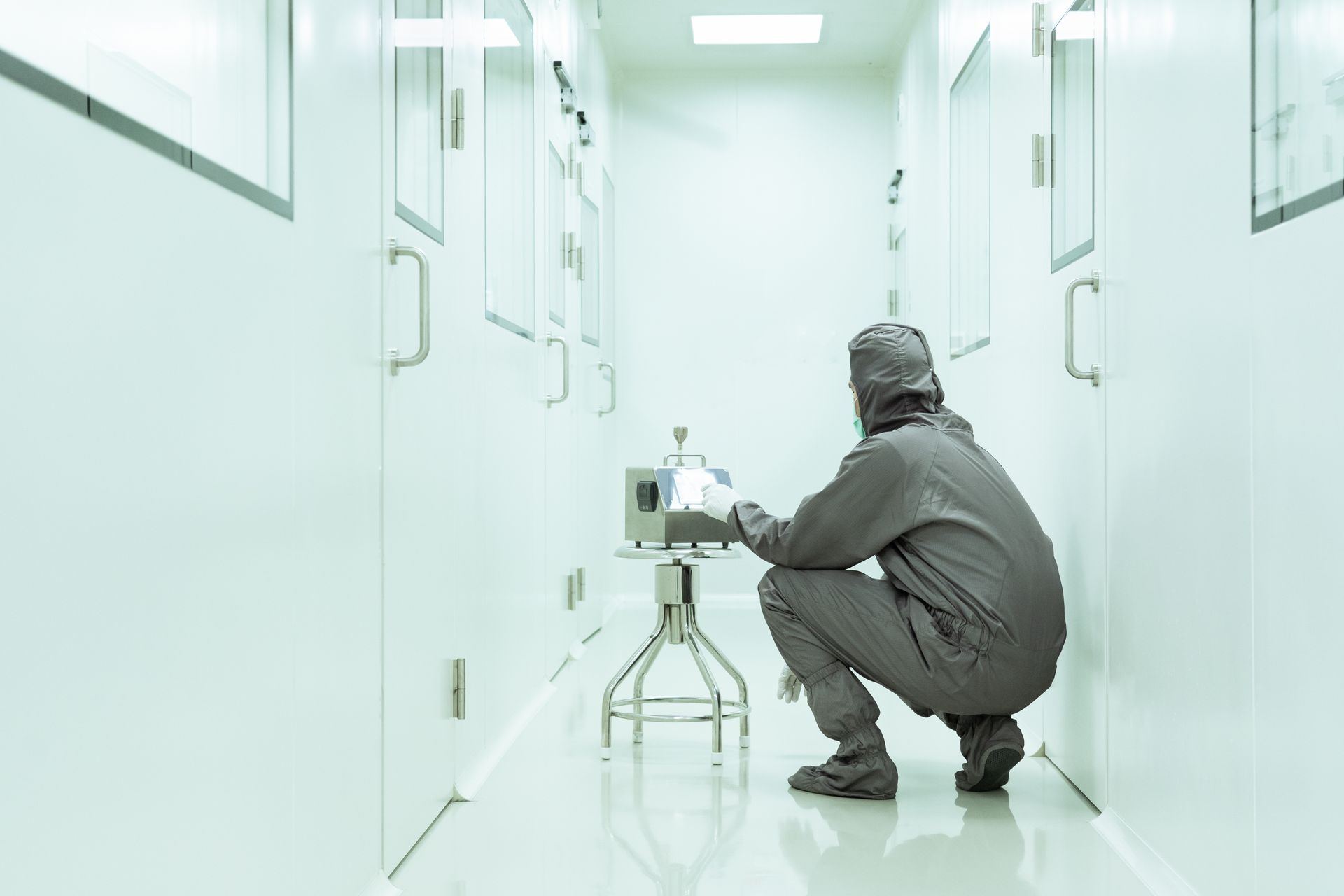
- Monitoring instruments maintain complete calibration and maintenance records.
Monitoring documents often serve as key evidence in inspections; therefore, accuracy and completeness are critical.
9 Document Control for Cleaning and Disinfection Programs
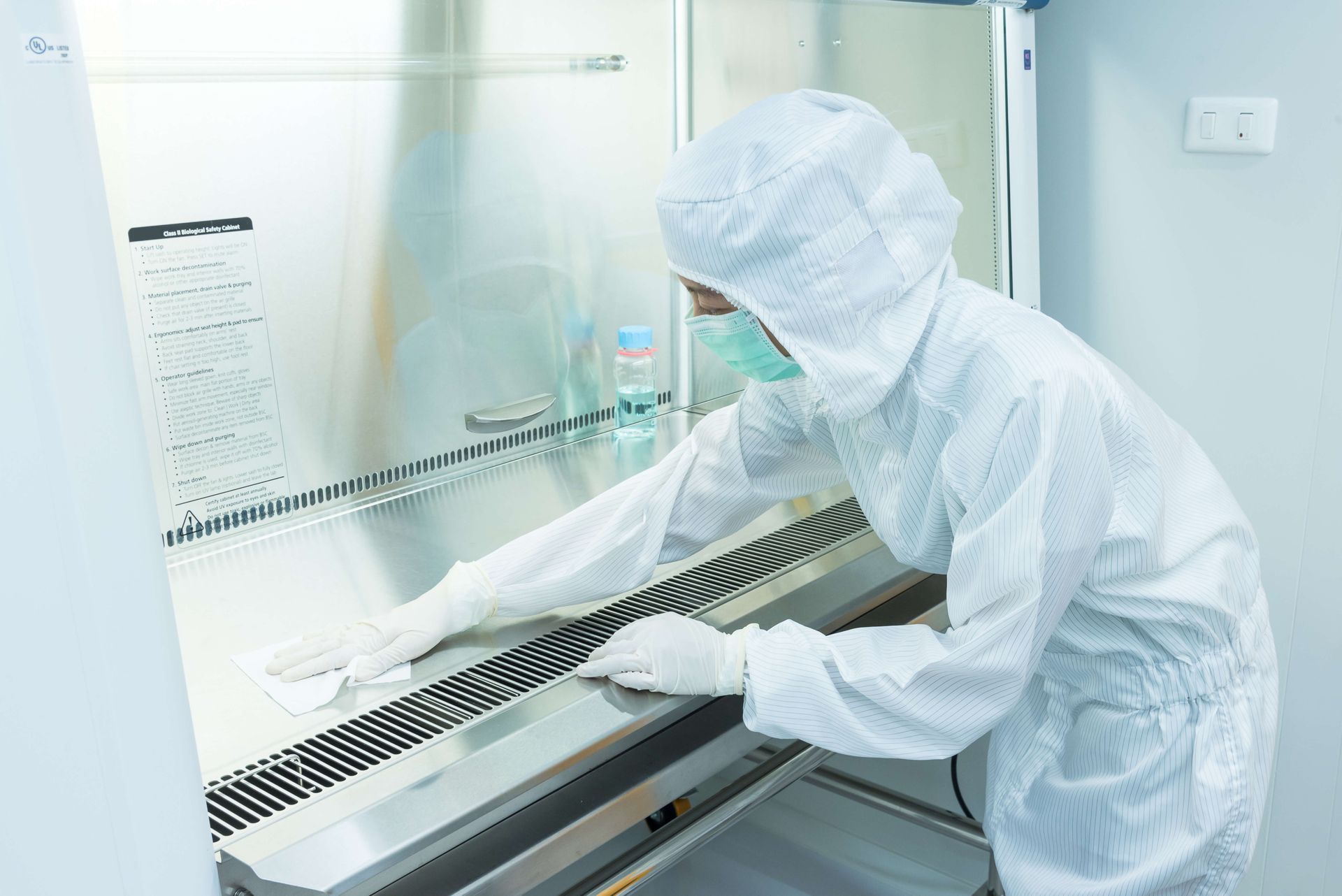
Cleaning activities must occur precisely as documented since they directly influence contamination risk.
A compliant document control system:
- Maintains controlled SOPs for every cleanroom zone and cleaning method.
- Ensures cleaning logs capture dates, times, operator identification, and disinfectant details.
- Manages revisions related to disinfectant rotation, application methods, or scheduling.
- Preserves archived records to support contamination investigations and regulatory audits.
10 Integrating Training with Document Control
Personnel competency is inseparable from documentation accuracy.
Strong systems integrate:
- Training matrices linked to document numbers and revision levels.
- Competency assessments verifying operator understanding of changes.
- Mandatory retraining upon document revision for relevant personnel.
- Controlled storage of training records within the document management framework.
Misalignment between training and documentation is a leading cause of procedural errors; integration prevents such gaps.
11 Digital vs. Paper-Based Document Control
Both paper and electronic systems can comply with ISO and GMP requirements if managed appropriately.
Paper-Based Systems:
- Require tight control of master copies and distribution.
- Are vulnerable to damage, illegibility, and uncontrolled duplication.
- Suit smaller facilities with simpler document needs.
Electronic Systems (EDMS/QMS):
- Provide automated version control and full audit trails.
- Reduce the risk of outdated documents in circulation.
- Require validated software, secure access controls, and backup processes.
Many modern cleanroom operations favor electronic systems for scalability and audit readiness.
12 Best Practices for a Compliant Document Control Program
High-performing cleanroom document-control frameworks incorporate:
- Standardized formatting and document numbering.
- Defined review intervals to keep documents current.
- Robust version control and immediate withdrawal of obsolete documents.
- Controlled distribution lists and access management.
- Training requirements linked to each revision.
- Audit-ready archiving practices and compliant retention schedules.
13 Conclusion
Document control is more than an administrative requirement—it is a core engineering and quality function that supports the repeatability, defensibility, and regulatory integrity of cleanroom operations. A disciplined document management system ensures that every activity is performed under controlled, current, and traceable instructions. By maintaining accurate procedures, rigorous change control, and fully documented evidence of compliance, cleanroom operators strengthen contamination control, support consistent performance, and uphold the standards required for safe, high-quality production.
Read more here: About Cleanrooms: The ultimate guide