Airlock and Material Transfer Systems: Engineering for Flow Efficiency
Airlock and Material Transfer Systems: Engineering for Flow Efficiency
Airlocks and material transfer systems are essential mechanisms for maintaining contamination control while supporting efficient movement of personnel, equipment, and supplies. Poorly engineered transfer systems can create bottlenecks, pressure instabilities, and cross-contamination risks that undermine ISO 14644 and GMP requirements. Well-designed systems, however, integrate airflow control, ergonomic flow paths, and rigorous segregation principles to enable seamless, compliant operations.
This article outlines the engineering fundamentals required to design high-performance airlocks and material transfer solutions that maximize both protection and throughput.
1 Functional Purpose of Airlocks in Cleanroom Architecture
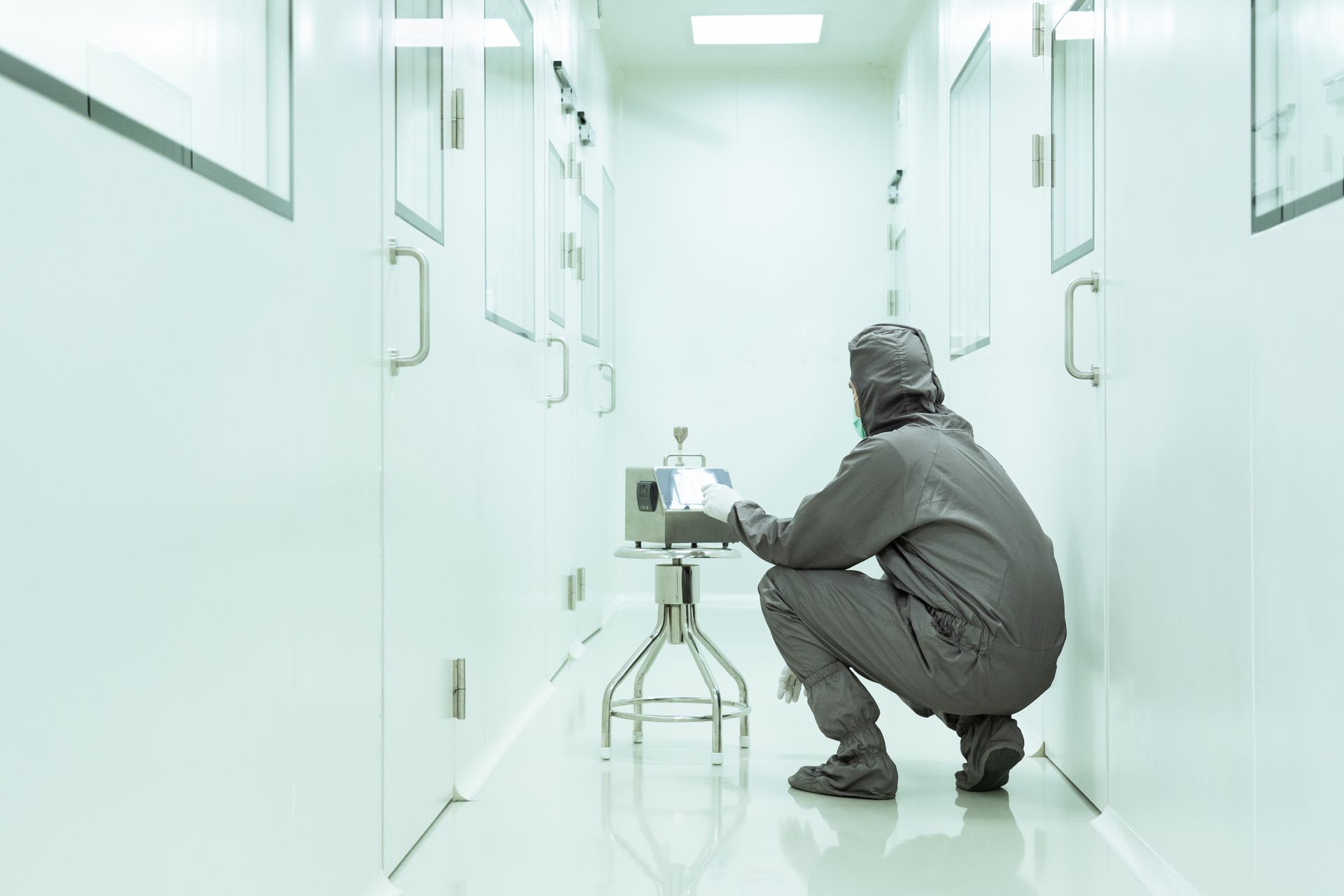
Airlocks maintain environmental separation between rooms of differing cleanliness or pressure.
Their primary functions include:
- Particle and microbial barrier: Preventing contamination migration from lower- to higher-grade zones.
- Pressure cascade integrity: Supporting directional airflow patterns mandated by ISO 14644-4 and GMP Annex 1.
- Controlled entry sequencing: Ensuring personnel and materials follow validated entry procedures.
- Flow buffering: Allowing smooth transitions that decouple movement rate from door open time or uncontrolled pressure disturbances.
Airlocks also serve as compliance points for gowning, degowning, surface cleaning, and material decontamination—functions that directly affect contamination control effectiveness.
2 Types of Airlocks and Transfer Systems
Different cleanroom operations require different types of airlocks.
Common categories include:
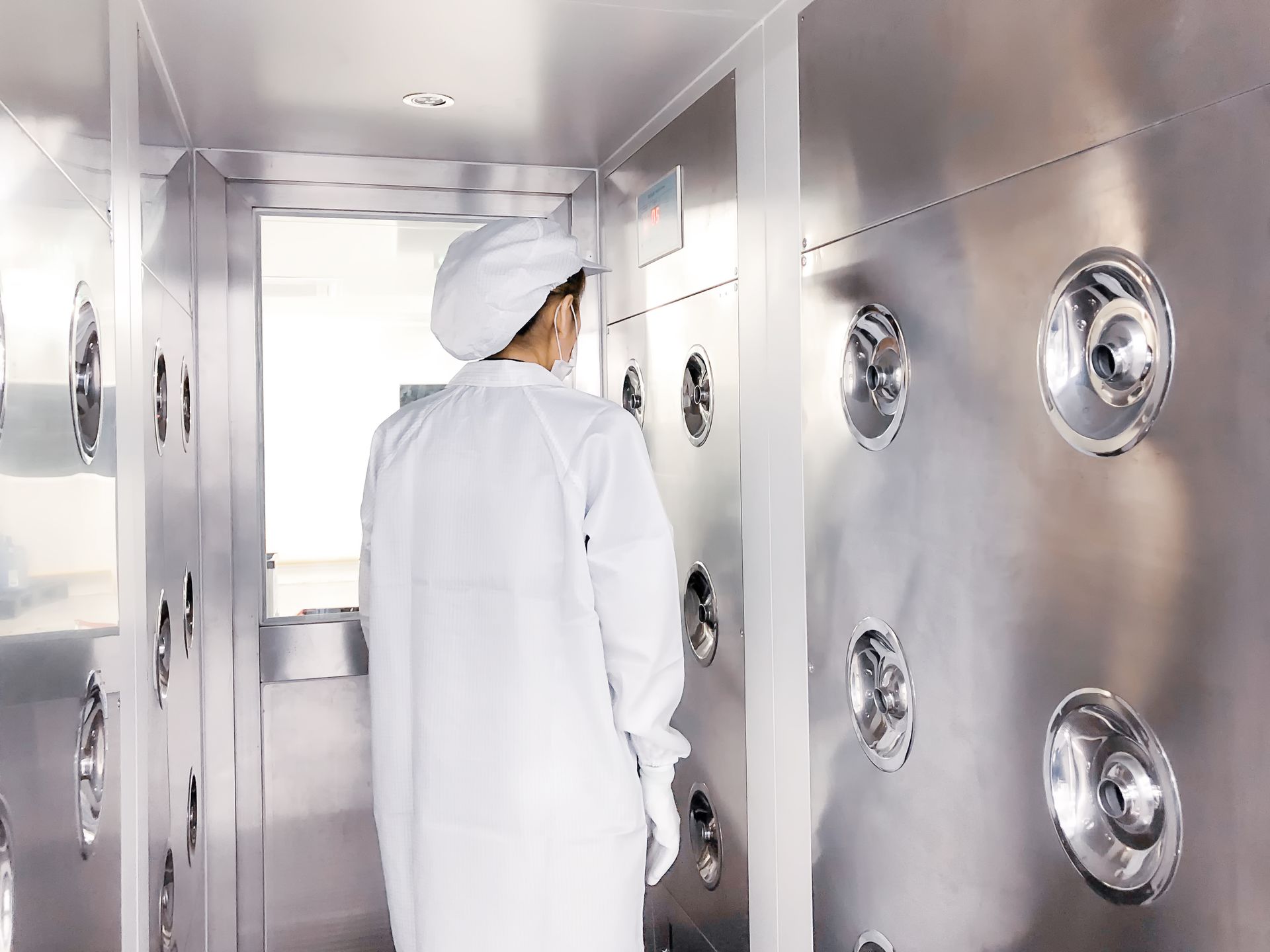
- Personnel airlocks (PALs): Used for gowning transitions such as ISO Class 8 → ISO Class 7 → ISO Class 5.
- Material airlocks (MALs): Support entry and exit of equipment, carts, tools, or packaged supplies.
- Pass-through chambers: Enclosed transfer systems for small materials, with mechanical or interlocked doors.
- Active decontamination airlocks: Include cleaning, UV-C, sporicidal misting, or hydrogen peroxide vapor (HPV/H₂O₂) cycles for high-risk GMP applications.
- Separative transfer devices: Alpha–beta ports or RTPs used in sterile pharmaceutical and isolator environments.
Engineering each type requires alignment with the facility’s pressure cascades, cleanliness zoning, and operational sequence flows.
3 Pressure Differentials and Airflow Control
Airlocks rely on controlled pressure differentials to enforce directional contamination control.
Typical engineering practices include:
- Positive pressure flow: High-grade rooms maintained above adjacent lower-grade rooms in most semiconductor, optics, and microelectronics operations.
- Negative pressure flow: Used for containment in hazardous drug compounding, potent API manufacturing, or biosafety environments.
- Cascade steps: Each adjacent room pair typically maintains a differential of 10–15 Pa to ensure stable airflow without generating turbulence or door-closing difficulties.
- Airlock purge rates: Supply airflow is sized to purge particulates quickly during door operation while avoiding pressure instability.
Airflow modeling should verify that door openings do not reverse the pressure cascade or destabilize unidirectional airflow in critical zones.
4 Door Interlocks and Sequencing Logic
Door interlocks ensure that only one door of an airlock can be open at a time, preventing pressure loss and contamination backflow.
Engineering considerations include:
- Mechanical, electromechanical, or software-based interlocks: Selected based on reliability requirements, security integration, and regulatory environment.
- Timed delays: Allow sufficient purge before allowing the second door to open. Adjustable timers support process optimization.
- Alarm integration: Audible and visual signals for unauthorized door openings, interlock overrides, or pressure deviations.
- Fail-safe logic: Systems must default to a secure state during power failure, often locking both doors or releasing only to a safe zone depending on hazard level.
For GMP operations, all interlock functions require documented verification as part of qualification protocols.
5 Material Transfer Workflows and Layout Optimization
Efficient flow requires separating inbound and outbound material streams while minimizing operator movement and handling steps.
Key engineering practices include:
- Unidirectional material paths: Prevents cross-contamination and avoids mixing clean and dirty traffic.
- Dedicated clean and return pathways: Especially important in pharmaceutical facilities where waste must not traverse clean corridors.
- Sufficient airlock width and turning radius: Accommodate carts without wall contact or turbulence-inducing maneuvering.
- Velocity control at doorways: Maintaining 0.45–0.55 m/s for high-grade cleanrooms supports contaminant suppression during entry.
Material movement must integrate with facility-wide logistics: pallet delivery, staging zones, automated guided vehicle (AGV) compatibility, or robotic transfer.
6 Pass-Through Chambers and Their Engineering Requirements
Pass-through chambers (PTCs) are compact airlocks used for small materials.
High-performance PTCs incorporate:
- Dual-door interlocking with visual indicators.
- Smooth, cleanable surfaces and flush-mounted hinges.
- HEPA or ULPA supply to maintain inward or outward purge depending on the zoning strategy.
- Cycle counters for GMP cleaning verification.
- Optional decontamination modules, such as UV-C or vapor-phase hydrogen peroxide.
Sizing should reflect batch transfer rates, ergonomic access height, and ingress of non-standard items without compromising airflow or cleanability.
7 Decontamination Technologies for High-Risk Material Transfer
Where microbial control is required—particularly GMP Grade A/B—material airlocks may incorporate automated decontamination.
Common technologies include:
- Hydrogen peroxide vapor (HPV/H₂O₂): Provides broad-spectrum sporicidal action; requires validated cycle parameters and aeration times.
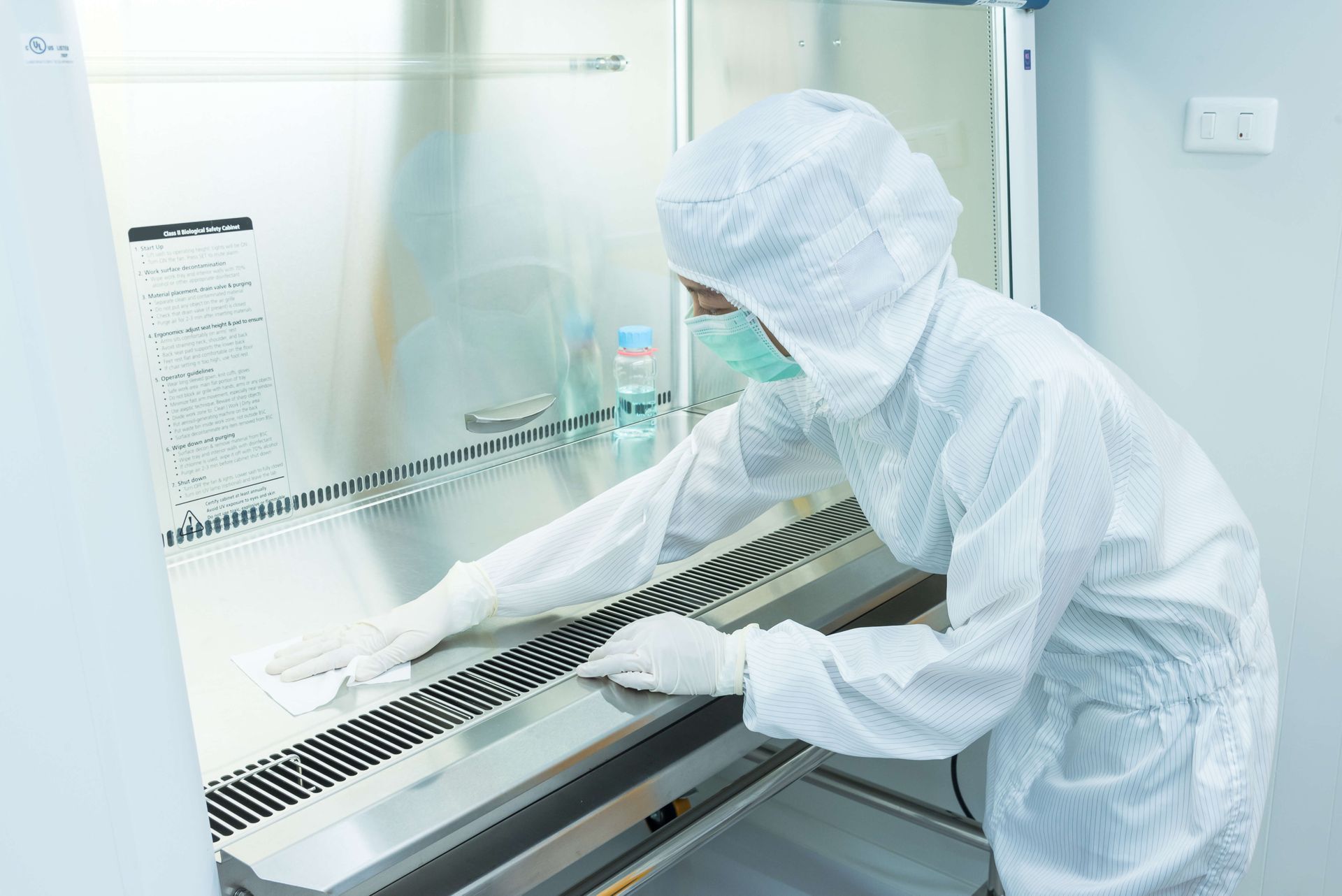
- Isopropyl alcohol (IPA) wipe-down stations: For low-risk environments, typically used in MALs or PTCs without automation.
- UV-C irradiation: Effective for surface microbial reduction when used with exposure mapping and lamp aging protocols.
- Aerosolized disinfectants: Useful for irregular surfaces but require integration with exhaust and safety controls.
Engineering must ensure compatibility with materials, safe aeration, and validated kill effectiveness without impacting the surrounding cleanroom.
8 Airflow and Purge Performance Verification
ISO 14644-3 outlines methods for verifying airflow direction, pressure differentials, and recovery performance.
Airlocks require:
- Recovery time testing: Time for particle concentrations to return to background after door opening.
- Smoke visualization: Confirms airflow direction and identifies vortices or dead zones.
- Door-open plume analysis: Measures contaminant migration risk.
- Filter integrity testing: Ensures supply HEPA/ULPA units perform consistently.
These tests form part of commissioning (IQ/OQ) and routine requalification, especially in GMP environments.
9 Engineering for Ergonomics and Operational Throughput
Flow efficiency depends not only on contamination control, but also on usability and productivity. Engineering considerations include:
- Optimal door swing or sliding mechanisms: Reduce obstruction of corridors and minimize turbulence.
- Clear visual cues and signage: Reinforce correct flow direction and entry/exit procedures.
- Integrated storage within material airlocks: Limits unnecessary re-entry to staging zones.
- Hands-free operation: Foot pedals or automated doors reduce touchpoints, supporting both ergonomics and hygiene.
- Cycle time balancing: Ensures that transfer processes align with production takt time without creating bottlenecks.
Flow mapping during design ensures that airlock configuration supports operational tempo.
10 Digital Monitoring and Building Automation Integration
Airlocks and transfer systems rely heavily on precision control. Modern facilities integrate:
- Real-time pressure monitoring with alarms tied into BAS.
- Interlock status logging for audit trails.
- Door cycle analytics for predictive maintenance.
- Environmental monitoring sensor integration for viable and non-viable particle control.
- Automated reporting supporting ISO 14644-2 monitoring programs and GMP Annex 1 data integrity requirements.
Digital infrastructure reduces manual oversight and improves reliability of contamination control.
11 Validation and Change Control for Airlock Systems
Both ISO and GMP frameworks require that airlocks be validated for intended performance:
- Design qualification (DQ): Documentation of intended airflow, pressure, and interlock logic.
- Installation qualification (IQ): Verification of materials, seals, utilities, and controls.
- Operational qualification (OQ): Confirmation of pressure cascades, purge times, alarm responses, and interlock functionality.
- Performance qualification (PQ): Demonstrates robustness under actual operational load and personnel/material flow.
- Change control: All modifications, such as door upgrades or interlock logic changes, must follow structured impact assessment.
Proper validation ensures airlocks remain compliant across their operational life.
12 Conclusion
Airlocks and material transfer systems are central to contamination control and operational efficiency in high-grade cleanrooms. Effective engineering integrates pressure management, interlock controls, ergonomic flow design, and validated decontamination methods. When aligned with ISO 14644 and GMP Annex 1 principles, well-designed airlocks provide both robust environmental protection and streamlined workflow.
Facilities that invest in engineered flow efficiency benefit from reduced contamination risk, improved throughput, and long-term operational reliability.
Read more here: About Cleanrooms: The ultimate Guide