Building a Cleanroom: Planning and Construction Insights

Kjeld Lund December 19, 2025
Building a cleanroom

Building a Cleanroom: Planning and Construction Insights


1 Introduction


Building a cleanroom is a complex engineering effort that requires precise planning, well-defined contamination-control strategies, and coordinated execution across architectural, mechanical, electrical, and operational disciplines. Whether designed for pharmaceuticals, semiconductors, medical devices, or advanced manufacturing, a cleanroom must meet defined ISO 14644 classifications, support stable environmental conditions, and enable efficient, compliant workflows.


This article outlines the critical considerations and engineering principles involved in planning and constructing a high-performance cleanroom.


2 Defining User Requirements


Every cleanroom project begins with a clearly articulated User Requirement Specification (URS). The URS establishes the functional and performance needs that guide all subsequent design work.


Key elements include:

  • Target ISO classification for each room.
  • Required airflow patterns, air change rates, and differential pressures.
  • Process flow for personnel, materials, waste, and equipment.
  • Critical environmental parameters such as temperature, humidity, and vibration.
  • Utility needs including gases, pure water, vacuum, and power.
  • Anticipated chemical or biological hazards.
  • Operational and maintenance constraints.


A well-developed URS minimizes scope changes and ensures that engineering decisions directly support process needs.


3 Site Assessment and Infrastructure Requirements


Before construction begins, the site must be evaluated for suitability:

  • Structural capacity: Can floors support air-handling units, HEPA housings, and process tools?
  • Space availability: Sufficient area for clean zones, mechanical spaces, and service corridors.
  • Utility infrastructure: Adequate electrical capacity, ventilation, chilled water, and drainage.
  • Environmental factors: External vibration, temperature variation, and airborne contaminants.
  • Expansion potential: Accommodating future upgrades or classification changes.


These assessments prevent downstream conflicts and ensure infrastructure can support stable cleanroom operation.


4 Cleanroom Layout and Zoning


Proper zoning is fundamental to contamination control. Layouts must support unidirectional flows and minimize cross-contamination risks.


Typical zones include:

  • Gowning areas: Structured in stages to gradual transition from uncontrolled to controlled spaces.
  • Airlocks and pass-throughs: Separate personnel and material flows.
  • Classified production rooms: Designed according to ISO 14644 requirements for airflow and pressurization.
  • Technical corridors: Allow maintenance access without disrupting clean operations.
  • Support rooms: Such as storage, cleaning, and equipment prep.


Layouts should maintain logical, efficient movement while enforcing contamination barriers.


5 HVAC and Airflow Design


HVAC systems determine the cleanroom’s ability to sustain required cleanliness levels. Key design elements include:

  • Air changes per hour (ACH) sized to classification, heat load, and process needs.
  • HEPA or ULPA filtration for supply air, delivered through ceiling modules or fan filter units (FFUs).
  • Laminar (unidirectional) flow where needed for ISO 5 or critical zones.
  • Pressure cascades that maintain properly graded differentials between adjacent areas.
  • Temperature and humidity control to support product quality, operator comfort, and static control.


HVAC components must be accessible for maintenance without introducing contaminants to classified spaces.


6 Architectural Materials and Surface Finishes


Cleanrooms require materials that are non-shedding, cleanable, and chemically resistant.


Key considerations:

  • Wall systems: Aluminum honeycomb, insulated metal panels, or FRP-covered panels for smooth, durable surfaces.
  • Floors: Seamless epoxy, vinyl, or conductive flooring with heat-welded seams.
  • Ceilings: Walkable or non-walkable grids designed to support filtration modules.
  • Doors and windows: Flush-mounted, airtight, and compatible with pressure differentials.
  • Sealants and joints: Smooth, continuous, and resistant to chemicals used during cleaning.


Material selection must be coordinated with cleaning procedures and classification requirements.


7 Utilities and Process Integration


Critical utilities must be incorporated into the design early to avoid conflicts and maintain cleanroom integrity.


Common utilities include:

  • Compressed air, nitrogen, and specialty gases delivered through sealed, cleanable routes.
  • Process cooling water and chilled water loops.
  • Vacuum and exhaust systems—including local exhaust for chemical processes.
  • Electrical distribution designed for redundancy, grounding, and tool layout.
  • Deionized or ultrapure water systems, where required.


All penetrations must be sealed to prevent air leakage and preserve pressure control.


8 Contamination Control Strategies


Contamination control begins with design and continues through construction and commissioning.


Critical design strategies include:

  • Airflow segregation between clean and unclean paths.
  • Defined personnel and material entry procedures through airlocks and gowning rooms.
  • Minimization of particle traps through flush detailing.
  • Use of clean construction methods—such as controlled debris removal and barrier systems.
  • Planning for cleaning and disinfection with compatible materials and accessible surfaces.


These strategies ensure the cleanroom meets its required classification once operational.


9 Clean Construction Practices


Building a cleanroom requires specialized construction methods to prevent particulate contamination and protect installed equipment.


Best practices include:

  • Using HEPA-filtered temporary air during construction phases.
  • Segregating clean and dirty work with physical barriers.
  • Regular cleaning of construction zones to remove dust and debris.
  • Ensuring material and tool staging areas remain controlled.
  • Conducting progressive inspections for seams, penetrations, and finishes.


A clean construction approach is essential for achieving classification targets during commissioning.


10 Commissioning and Qualification


Commissioning verifies correct installation and performance, while qualification demonstrates compliance with user and regulatory requirements.


Typical steps include:

  • Installation Qualification (IQ): Structural integrity, utilities, materials, and equipment installation.
  • Operational Qualification (OQ): HVAC performance, pressure cascades, filtration integrity testing, and controls verification.
  • Performance Qualification (PQ): Environmental monitoring under simulated or actual operational loads.
  • Airflow visualization (smoke studies) for unidirectional zones.
  • Particle and microbiological baseline measurements per ISO 14644-1 and -2.


Successful commissioning ensures the cleanroom operates predictably and meets defined specifications.


11 Documentation, Change Control, and Compliance


A compliant cleanroom project requires thorough documentation from planning through qualification.


Essential documents include:

  • URS, design specifications, and engineering drawings
  • HVAC and control system schematics
  • Material certifications and installation records
  • IQ/OQ/PQ protocols and reports
  • Environmental monitoring plans
  • Deviations, corrective actions, and change-control records


This documentation provides traceability and supports future audits and requalification efforts.


12 Operational Readiness and Handover


Before a cleanroom begins routine production, operational readiness must be verified.


This includes:

  • Final cleaning to ISO 14644 standards
  • Staff training on gowning, flows, and SOPs
  • Calibration of monitoring instruments
  • Stocking of consumables, waste containers, and PPE
  • Establishing preventive-maintenance schedules
  • Verifying correct functioning of alarms and building-management systems


A structured handover ensures the cleanroom begins operation in a validated, controlled state.


13 Long-Term Maintainability and Flexibility


Cleanrooms must be built to evolve with changing processes, equipment, and regulatory expectations.


Design strategies that support long-term efficiency include:

  • Modular wall and ceiling systems
  • Accessible service corridors for maintenance
  • Scalable HVAC and filtration capacity
  • Flexible utility distribution systems
  • Documented pathways for future expansion


These decisions reduce downtime, simplify modifications, and support life-cycle cost efficiency.


14 Conclusion


Building a cleanroom is a multidisciplinary engineering exercise that demands rigorous planning, precise construction practices, and alignment with contamination-control principles. By developing a clear URS, designing robust HVAC and zoning systems, selecting compliant materials, and following structured commissioning processes, organizations can create cleanrooms that are reliable, efficient, and audit-ready. A well-designed cleanroom not only meets current operational needs but also offers the flexibility and resilience required for future process evolution and regulatory demands.


Read more here: About Cleanrooms: The ultimate Guide
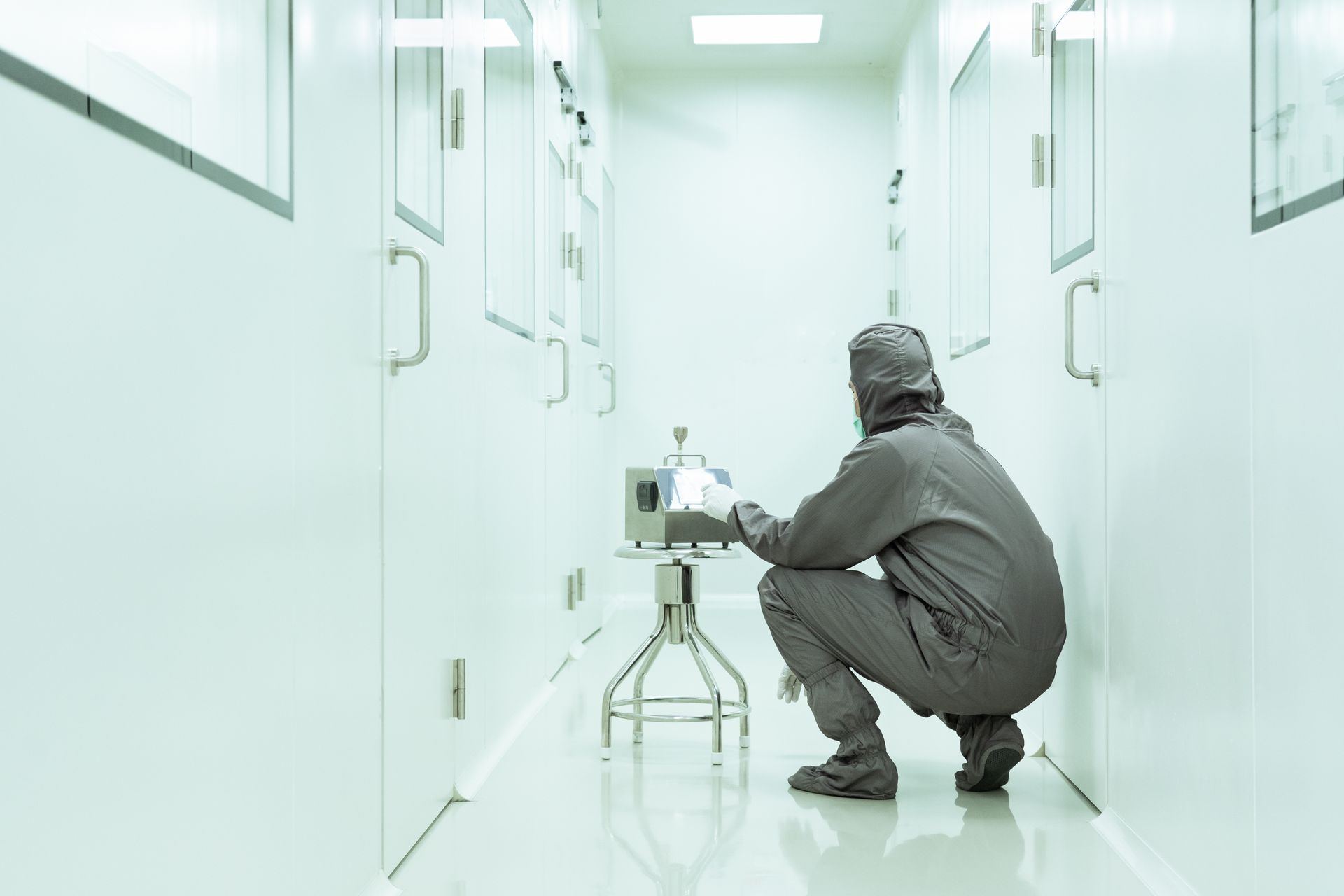
Person in cleanroom suit cleaning a stainless steel laboratory workstation.
By Kjeld Lund December 15, 2025 December 15, 2025
Sterilization Techniques for Cleanroom Equipment 1 Introduction Sterilization of cleanroom equipment is essential to maintaining controlled bioburden levels, protecting product integrity, and meeting the stringent microbial standards required in pharmaceutical, biotechnology, medical device, and advanced materials environments. Effective sterilization prevents viable microorganisms from entering controlled areas, reduces contamination risk during critical operations, and supports compliance with ISO 14644 and GMP expectations. This article outlines the primary sterilization techniques used in cleanrooms, their engineering considerations, and the requirements for safe, consistent, validated application. 2 The Role of Sterilization in Cleanroom Contamination Control Cleanrooms rely on filtration, airflow, gowning, and cleaning to manage particulate and microbial contamination. Sterilization complements these controls by ensuring that tools, containers, instruments, and equipment brought into classified spaces do not introduce viable microorganisms. Sterilization is particularly critical in aseptic processing, sterile packaging operations, and environments handling cell cultures or biologics. Consistent sterilization protocols help maintain validated conditions, support environmental monitoring performance, and ensure that microbial excursions are minimized. Documentation, traceability, and validation are essential components of a compliant sterilization program. 3 Key Considerations Before Selecting a Sterilization Method Selecting a sterilization technique requires evaluating: Material compatibility (heat sensitivity, corrosion risk, polymer stability). Microbial load and resistance typical of the equipment’s intended use. Penetration requirements , especially for complex geometries or internal cavities. Process impact on equipment calibration or performance. Turnaround time based on production needs. Regulatory requirements under GMP or sector-specific standards. Proper method selection ensures equipment integrity while delivering consistent microbial lethality. 4 Heat Sterilization: Autoclaving (Moist Heat) Autoclaving is one of the most widely used sterilization methods because it is reliable, repeatable, and suitable for stainless steel, glass, and many polymer components. Principle: Moist heat sterilization uses saturated steam under pressure (typically 121–134°C) to denature microbial proteins and destroy spores. Applications: Stainless steel tools Glassware Reusable containers Some textiles and polymer-based components Engineering and operational considerations: Load configuration must allow steam penetration. Validation includes thermocouple mapping, biological indicator testing, and verification of sterilization cycles. Sterilized items must be dried thoroughly to prevent microbial growth during storage. Autoclaving is unsuitable for heat-sensitive materials, electronics, and many elastomers. 5 Dry Heat Sterilization Dry heat sterilization uses elevated temperatures without moisture, typically between 160–180°C, for extended time periods. Applications: Metal tools incompatible with moisture Glassware requiring depyrogenation Heat-stable powders or oils (in controlled setups) Advantages: Effective depyrogenation capability (≥250°C for required exposure times) No corrosion risk due to moisture Limitations: Longer exposure times than steam Unsuitable for most plastics or electronics Dry heat sterilization is common in sterile pharmaceutical operations where endotoxin removal is critical. 6 Chemical Sterilization: Vaporized Hydrogen Peroxide (VHP) VHP is widely used in modern cleanroom environments because it is effective at low temperatures and compatible with many materials. Principle: Hydrogen peroxide vapor diffuses across surfaces and decomposes into water and oxygen, leaving no residue. Applications: Transfer chambers and pass-throughs Isolators and RABS systems Stainless steel tools and carts Some plastics compatible with oxidative agents Engineering and operational considerations: VHP cycles must be validated for concentration, exposure time, humidity, and aeration. Sensors and biological indicators verify adequate sterilant distribution. Material compatibility testing is essential due to potential oxidative degradation. VHP is not suitable for absorbent materials or components sensitive to oxidation. 7 Ethylene Oxide (EO) Sterilization EO sterilization is used for heat-sensitive materials requiring deep penetration, including complex assemblies and polymer-based equipment. Principle: EO gas alkylates microbial DNA and proteins, achieving high-level sterilization. Applications: Complex medical devices Polymer assemblies Pre-packaged cleanroom components Advantages: Excellent penetration Effective for mixed-material components Limitations: Requires long aeration times to remove residual EO Strict safety controls needed due to toxicity and flammability Not suitable for on-site use in most cleanrooms EO sterilization is typically performed by certified external facilities. 8 Radiation Sterilization (Gamma and Electron Beam) Radiation sterilization is common for single-use cleanroom equipment and consumables. Principle: High-energy radiation breaks microbial DNA chains, preventing replication. Applications: Single-use gowns, gloves, wipers Tubing, connectors, filters Prepackaged sterile instruments Advantages: Sterilizes sealed packages Excellent material penetration (gamma) Fast processing (electron beam) Limitations: Some polymers may degrade or discolor Typically performed off-site Requires validated dose mapping Radiation-sterilized disposables support aseptic processing by reducing sterilization burden inside the cleanroom. 9 Alcohol Wipe-Down: Point-of-Use Sterilization While not a terminal sterilization method, alcohol wipe-down is essential for maintaining aseptic conditions during equipment transfer. Applications: Small tools and handheld instruments Exterior surfaces of containers Materials moving through airlocks or pass-throughs Requirements: Use sterile 70% isopropyl alcohol or ethanol Apply using cleanroom-grade, low-lint wipes Ensure defined contact time (typically ≥1 minute) Replace wipes frequently to avoid contamination Alcohol use must be standardized and documented within cleanroom SOPs. 10 Ultraviolet (UV-C) Sterilization UV-C radiation offers supplementary microbial control for nonporous surfaces and small equipment. Principle: UV-C (254 nm) damages microbial DNA, reducing viability. Applications: Transfer chambers Biological safety cabinets Surface decontamination of tools Limitations: Limited penetration—line of sight only Potential for material degradation Does not replace validated sterilization methods UV-C is most effective as a supporting control rather than a primary sterilization strategy. 11 Packaging, Storage, and Post-Sterilization Handling Sterilized equipment must remain protected to preserve sterility. Key requirements include: Use of validated sterile barrier systems (e.g., peel pouches, double wrapping). Handling in ISO-classified preparation areas . Clearly labeled sterilization dates, cycles, and expiration timelines. Storage in clean, controlled areas to prevent recontamination. Procedures for visual inspection for package integrity before use. Post-sterilization handling is a critical control point that must be documented and audited. 12 Validation and Monitoring of Sterilization Processes A compliant sterilization program requires rigorous validation, including: Installation Qualification (IQ) verifying equipment installation. Operational Qualification (OQ) confirming system performance parameters. Performance Qualification (PQ) demonstrating consistent microbial lethality. Biological indicators for autoclaves, VHP systems, and EO cycles. Chemical indicators for load verification. Routine calibration and maintenance of sterilization equipment. Recordkeeping aligned with GMP and ISO 14644 requirements. Validation ensures that sterilization processes remain effective, traceable, and audit-ready. 13 Best Practices for Sterilizing Cleanroom Equipment Effective sterilization programs incorporate: Clear SOPs covering method selection, load preparation, cycle parameters, and acceptance criteria. Defined material compatibility assessments. Routine review of sterilization logs and cycle data. Strict segregation of sterile and non-sterile equipment. Preventive maintenance for sterilization equipment. Integration with document control and training programs. Periodic requalification of sterilization cycles and systems. These practices maintain sterility, support compliance, and reduce the risk of contamination events. 14 Conclusion Sterilization of cleanroom equipment is a crucial component of microbial control and regulatory compliance. By selecting appropriate sterilization techniques—whether heat, chemical, radiation-based, or point-of-use methods—cleanroom operators can ensure equipment remains safe, effective, and free from viable contamination. Validation, documentation, material compatibility, and disciplined post-sterilization handling are central to maintaining reliable, repeatable sterilization performance. In environments where sterility is non-negotiable, a robust sterilization strategy is essential to sustained cleanroom integrity and product quality. Read more here: About Cleanrooms: The ultimate Guide
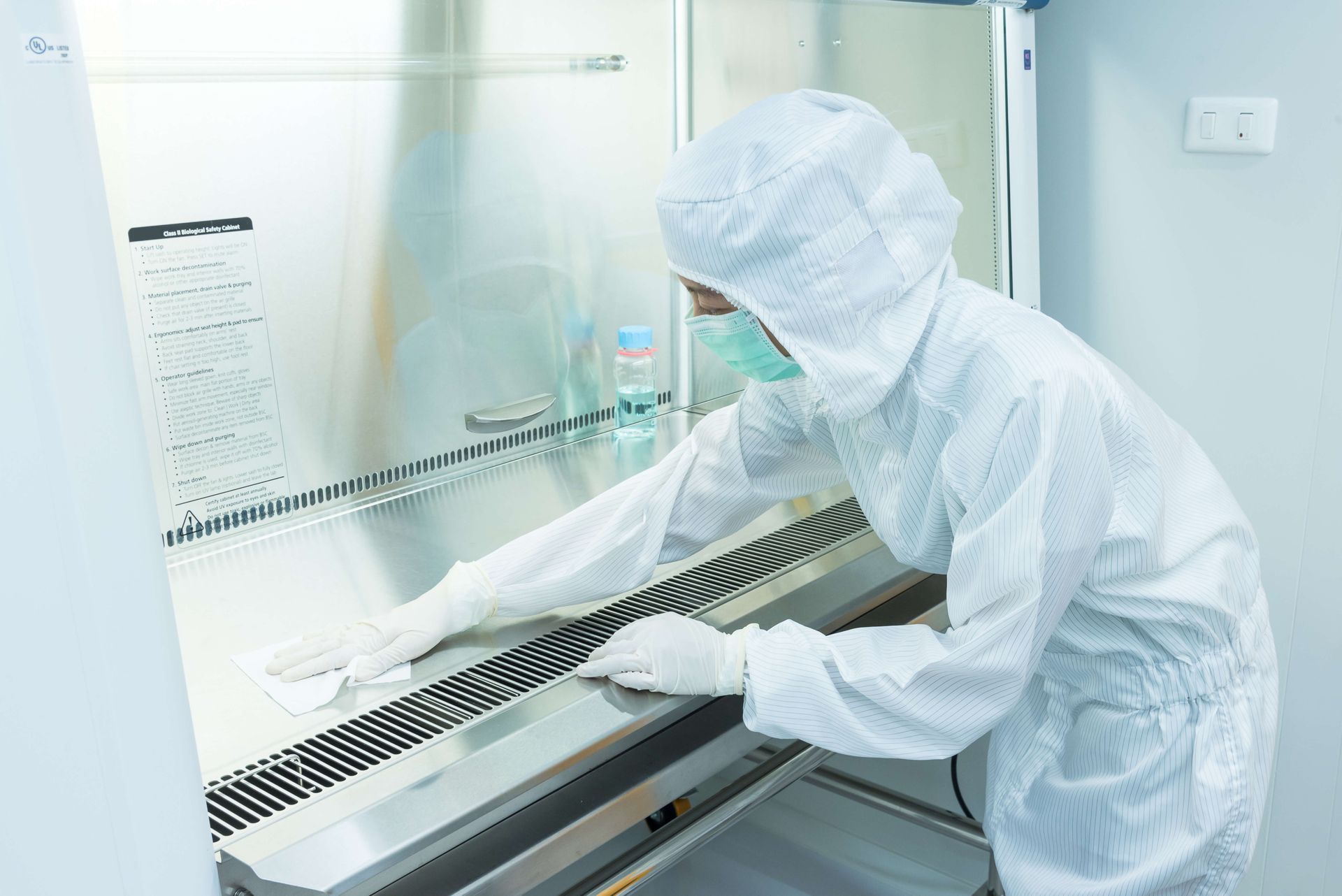
Chemical Maufacturing in Cleanroom
By Kjeld Lund Dec 11, 2025 December 11, 2025
Handling Chemicals and Gases in Cleanrooms 1 Introduction Handling chemicals and gases in cleanrooms demands strict adherence to engineered controls, documented procedures, and validated safety mechanisms. Cleanrooms regularly use corrosive, flammable, pyrophoric, toxic, or high-purity chemicals and gases to support semiconductor fabrication, pharmaceutical manufacturing, biotechnology processes, and advanced materials production. These substances introduce contamination, safety, and compatibility risks that must be managed through facility design, environmental controls, and operator discipline. This article outlines the engineering principles and operational requirements that ensure safe, compliant handling of chemicals and gases in controlled environments. 2 Chemical and Gas Hazards in Cleanrooms Cleanroom processes involve diverse hazard classes: Corrosives (e.g., acids, bases) that can damage materials and equipment. Flammables and combustibles requiring ignition control and ventilation. Toxics and sensitizers that demand containment and exposure monitoring. Pyrophoric gases that ignite on contact with air. High-purity process gases where even minor contamination affects product performance. Volatile compounds that risk particle generation or chemical interactions. These hazards require coordinated engineering controls—airflow design, exhaust systems, containment, leak detection, material compatibility—to protect both personnel and product integrity. 3 Engineering Controls for Safe Chemical Handling Effective chemical handling begins with engineered systems that prevent contamination and exposure. Local Exhaust Ventilation (LEV): Fume hoods, wet benches, and chemical process tools maintain negative pressure and high capture velocity to contain fumes and aerosols. Exhaust systems must include corrosion-resistant ductwork, filters, and appropriate scrubbers. Chemical-Resistant Surfaces and Tools: Benchtops, tanks, piping, and fittings must be constructed from chemically compatible materials (e.g., PVDF, PTFE, stainless steel) to avoid corrosion, particle shedding, or chemical interactions. Secondary Containment: Trays, cabinets, and bunding prevent spills from spreading into cleanroom circulation zones. Ventilation and Pressure Control: ISO 14644 cleanrooms depend on stable airflow and differential pressure regimes. Areas where chemicals are opened or transferred typically operate under slight negative pressure relative to adjacent clean zones to limit contamination and personnel exposure. 4 Chemical Storage Requirements Proper storage reduces contamination, fire, and compatibility risks. Segregate incompatible chemicals (oxidizers, flammables, acids, bases, reactive chemicals). Use certified safety cabinets for flammables and corrosives, with appropriate ventilation when needed. Implement FIFO (first-in, first-out) inventory control to minimize expired materials. Maintain clear labeling with lot numbers, hazard classifications, and expiration dates. Store bulk chemicals outside the cleanroom when feasible, transferring only required volumes into controlled areas. Storage strategies must be documented, validated, and routinely audited. 5 Chemical Transfer and Dispensing Procedures Transferring chemicals is one of the highest-risk cleanroom operations. Best practices include: Closed transfer systems such as quick-connect fittings, sealed dispensing systems, or pump transfer units. Grounding and bonding when handling flammable liquids to prevent static ignition. Controlled point-of-use delivery , ensuring chemicals are dispensed only in properly ventilated, validated equipment. Drip trays and secondary containment for all dispensing stations. Immediate wipe-down protocols for spills or splashes using compatible materials. Operators must be specifically trained on the procedures and hazards relevant to each chemical class. 6 Gas Handling and Distribution Systems Process gases introduce unique technical challenges requiring specialized system design. Gas Cabinets and Enclosures: Hazardous gases must be stored in ventilated gas cabinets equipped with automatic shutoff valves, fire detection, and leak monitoring systems. Gas Lines and Manifolds: Material selection (stainless steel, electropolished tubing, VCR fittings) ensures purity and prevents particle generation. Connections must follow semiconductor-grade or GMP-appropriate specifications. Leak Detection and Monitoring: Toxic, corrosive, and pyrophoric gases require fixed gas detection systems with alarms, interlocks, and automated isolation valves. Calibration and functional testing must follow documented schedules. Pressure Regulation and Purging: Systems must include pressure regulators, purge lines, and automated sequences ensuring safe startup, shutdown, and cylinder changes. 7 Contamination Control Considerations Chemicals and gases can be sources of both chemical and particulate contamination. Control measures include: Using high-purity reagents certified for cleanroom applications. Implementing filtered dispensing systems to remove particles. Maintaining closed pipelines for process gases to avoid ambient exposure. Ensuring proper airflow direction to prevent chemical emissions from reaching sensitive production areas. Validating cleaning protocols for tools and containers handling chemicals. These measures preserve product quality and maintain the cleanroom’s ISO classification. 8 Personal Protective Equipment (PPE) and Gowning Chemical handling requires enhanced PPE beyond standard cleanroom garments. Depending on the hazard, PPE may include: Chemical-resistant gloves, often double-gloved. Face shields or splash goggles. Chemical-resistant aprons or smocks worn over cleanroom gowns. Respiratory protection where engineering controls alone are insufficient. Antistatic footwear for flammable chemical handling. Gowning protocols must define required PPE by task and substance, supported by documented training and periodic competency assessments. 9 Emergency Procedures and Spill Response Cleanrooms must maintain comprehensive, rehearsed emergency procedures aligned with the chemicals and gases in use. Spill kits must be compatible with each chemical class and accessible without obstructing cleanroom flow. Emergency shutoff switches , interlocks, and isolation valves must be clearly marked and tested. Evacuation procedures must reflect the hazard characteristics of specific gases or chemicals. Incident documentation must capture cause, response actions, and corrective measures. Post-incident clearance requires environmental monitoring to ensure the cleanroom returns to safe operation. All emergency procedures must be controlled documents subject to periodic review. 10 Waste Management and Disposal Chemical waste streams require segregation, containment, and compliant disposal: Use closed, labeled waste containers made of compatible materials. Maintain segregated waste pathways for corrosives, organics, and reactive chemicals. Ensure ventilated waste accumulation areas outside critical zones. Document waste transfers with signatures and collection logs. Validate all waste handling procedures according to environmental and safety regulations. Improper waste handling can compromise both cleanroom safety and contamination control. 11 Documentation, Training, and Compliance Requirements Handling chemicals and gases must be supported by a robust document-control framework: SOPs covering storage, transfer, dispensing, PPE, spill response, and waste disposal. Equipment specifications and maintenance records for hoods, cabinets, sensors, and gas lines. Training records linking personnel competence to specific procedures and hazards. Change-control documentation for chemical substitutions, equipment upgrades, or procedural modifications. Routine audits verifying adherence to procedures and system performance. Documentation must remain current, traceable, and aligned with ISO 14644, GMP expectations, and applicable safety standards. 12 Best Practices for Safe and Compliant Operations Clean, safe chemical and gas handling integrates engineering design with disciplined operations. Key best practices include: Maintain strict segregation of incompatible chemicals. Use validated containment systems for all dispensing and gas delivery operations. Ensure regular calibration and testing of detection, ventilation, and control systems. Train personnel thoroughly and maintain documented competency assessments. Apply preventive maintenance to all chemical-handling equipment. Conduct routine hazard assessments to evaluate evolving process risks. Align all procedures with a robust document control system. 13 Conclusion Handling chemicals and gases in cleanrooms combines contamination control, engineering discipline, and operator safety. By integrating reliable ventilation, validated containment systems, rigorous documentation, and comprehensive training, cleanroom facilities can safely manage hazardous substances without compromising product quality or regulatory compliance. In demanding environments where chemical purity and operator protection are equally critical, a structured and technically sound approach ensures stable, predictable, and safe cleanroom operations. Read more here : About Cleanrooms: The ultimate Guide

Cleanroom Training
By Kjeld Lund Dec 3, 2025 December 3, 2025
The Importance of Document Control in Cleanrooms 1 Introduction Document control is a foundational requirement in cleanroom operations, ensuring that all procedures, specifications, monitoring activities, and quality records remain accurate, current, and traceable. Whether aligned with ISO 14644, EU GMP, or FDA cGMP expectations, cleanrooms depend on disciplined documentation to maintain consistency, demonstrate regulatory compliance, and minimize contamination risk. Even cleanrooms built with robust engineering controls can fail audits if documentation is incomplete, outdated, or poorly managed. 2 Why Document Control Matters in Controlled Environments Cleanrooms function within strict environmental and procedural limits. Parameters such as differential pressures, air change rates, gowning protocols, cleaning frequencies, and equipment calibration must be executed exactly as defined. Document control ensures these expectations are clearly captured, controlled, and accessible. In multidisciplinary cleanroom environments, documentation harmonizes operator behavior, engineering intent, and quality oversight. It provides traceability—linking each action to who performed it, when it occurred, and under what conditions—supporting both operational consistency and regulatory defensibility. 3 Core Objectives of Cleanroom Document Control A compliant document management framework accomplishes several essential goals: Accuracy and consistency across procedures and records. Traceability and accountability for all regulated activities. Regulatory compliance with ISO 14644, GMP, and internal QA standards. Change management to ensure that any modification is reviewed and approved. Reduction of human error by standardizing instructions and expectations. 4 Types of Documents Required in Cleanroom Operations Cleanroom document control systems must systematically manage a broad range of document types: Policies: High-level quality and contamination-control commitments Standard Operating Procedures (SOPs): Step-by-step directions for gowning, cleaning, monitoring, material flow, and related tasks Work Instructions: Equipment- or task-specific instructions supporting SOPs Specifications: Defined performance and quality requirements for systems, materials, and equipment. Batch Records and Logbooks: Real-time operations data confirming processes were executed as designed. Drawings and Schematics: Controlled engineering documents that must remain aligned with as-built conditions. Validation Protocols and Reports: IQ/OQ/PQ documents confirming system performance. Change Control Records: Documentation of proposed modifications and risk evaluations. All categories must follow controlled creation, approval, issuance, revision, use, and archiving processes. 5 ISO 14644 and GMP Expectations for Document Control ISO 14644 requires documented procedures for contamination control, environmental monitoring, and cleanroom maintenance, while GMP frameworks emphasize traceability, data integrity, and lifecycle record retention. Shared expectations include: Controlled and approved procedures for all critical cleanroom operations. Version control and revision tracking to prevent use of outdated documents. Defined retention periods aligned with product and regulatory requirements. Master documents reviewed and approved by qualified personnel. Immediate retrieval capability during audits or investigations. GMP data integrity principles (ALCOA+)—Attributable, Legible, Contemporaneous, Original, Accurate, plus Complete, Consistent, Enduring, Available—define the quality requirements for all documentation. 6 Preventing Common Failures in Document Control Typical weaknesses in cleanroom documentation include uncontrolled copies, missing signatures, outdated SOPs, incomplete logbooks, and undocumented changes. These issues create significant audit risk and undermine process consistency. Effective systems maintain: Single-source access via controlled binders or electronic document management systems. Immediate removal of obsolete versions from production and monitoring areas. Routine internal audits verifying correct use and completion of records. Clear authorship, review, and approval responsibilities. Training tied to revised documents to prevent procedural drift. 7 The Role of Change Control in Contamination Risk Management Any modification affecting cleanroom operation—HVAC settings, equipment, cleaning agents, material flow, gowning procedures, or sampling methods—must follow a formal change-control process. Effective change documentation includes: Detailed description of the proposed change. Impact assessment on validated conditions, cleanliness classification, and operational risk. Determination of requalification or revalidation needs. Update requirements for SOPs, drawings, and training materials. Defined responsibilities, timelines, and approval steps. Change control protects the validated state of the cleanroom and prevents unnoticed deviations. 8 Document Control in Environmental Monitoring Programs Environmental monitoring depends on consistent, fully documented processes. Document control ensures: Sampling locations and frequencies match risk assessments and ISO classifications. Operators follow current methods for particle counting, active air sampling, and surface sampling. Deviations or out-of-specification results trigger documented investigations. Monitoring instruments maintain complete calibration and maintenance records. Monitoring documents often serve as key evidence in inspections; therefore, accuracy and completeness are critical. 9 Document Control for Cleaning and Disinfection Programs Cleaning activities must occur precisely as documented since they directly influence contamination risk. A compliant document control system: Maintains controlled SOPs for every cleanroom zone and cleaning method. Ensures cleaning logs capture dates, times, operator identification, and disinfectant details. Manages revisions related to disinfectant rotation, application methods, or scheduling. Preserves archived records to support contamination investigations and regulatory audits. 10 Integrating Training with Document Control Personnel competency is inseparable from documentation accuracy. Strong systems integrate: Training matrices linked to document numbers and revision levels. Competency assessments verifying operator understanding of changes. Mandatory retraining upon document revision for relevant personnel. Controlled storage of training records within the document management framework. Misalignment between training and documentation is a leading cause of procedural errors; integration prevents such gaps. 11 Digital vs. Paper-Based Document Control Both paper and electronic systems can comply with ISO and GMP requirements if managed appropriately. Paper-Based Systems: Require tight control of master copies and distribution. Are vulnerable to damage, illegibility, and uncontrolled duplication. Suit smaller facilities with simpler document needs. Electronic Systems (EDMS/QMS): Provide automated version control and full audit trails. Reduce the risk of outdated documents in circulation. Require validated software, secure access controls, and backup processes. Many modern cleanroom operations favor electronic systems for scalability and audit readiness. 12 Best Practices for a Compliant Document Control Program High-performing cleanroom document-control frameworks incorporate: Standardized formatting and document numbering. Defined review intervals to keep documents current. Robust version control and immediate withdrawal of obsolete documents. Controlled distribution lists and access management. Training requirements linked to each revision. Audit-ready archiving practices and compliant retention schedules.  13 Conclusion Document control is more than an administrative requirement—it is a core engineering and quality function that supports the repeatability, defensibility, and regulatory integrity of cleanroom operations. A disciplined document management system ensures that every activity is performed under controlled, current, and traceable instructions. By maintaining accurate procedures, rigorous change control, and fully documented evidence of compliance, cleanroom operators strengthen contamination control, support consistent performance, and uphold the standards required for safe, high-quality production. Read more here: About Cleanrooms: The ultimate guide
Show More