Sterilization Techniques for Cleanroom Equipment
Sterilization Techniques for Cleanroom Equipment
1 Introduction
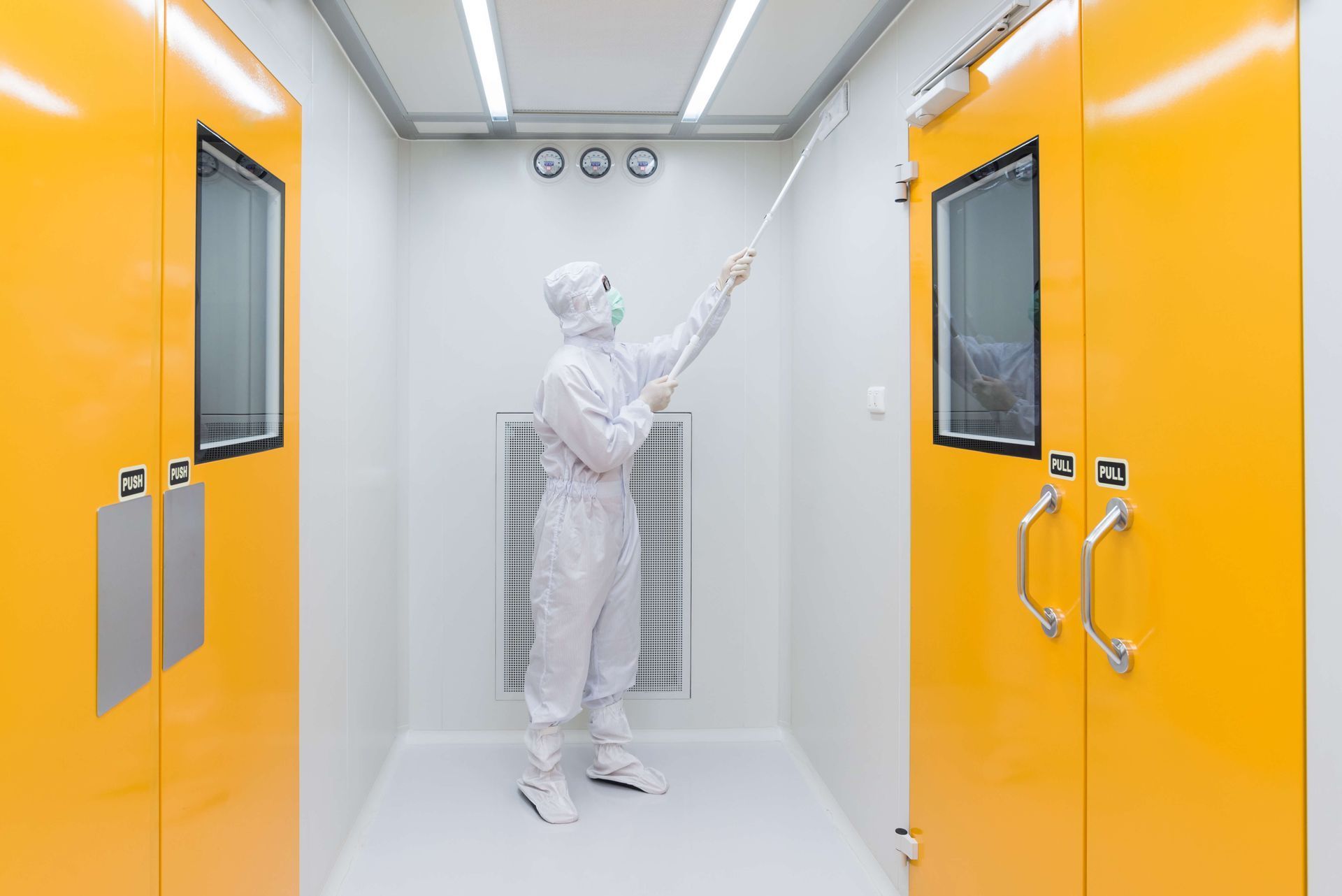
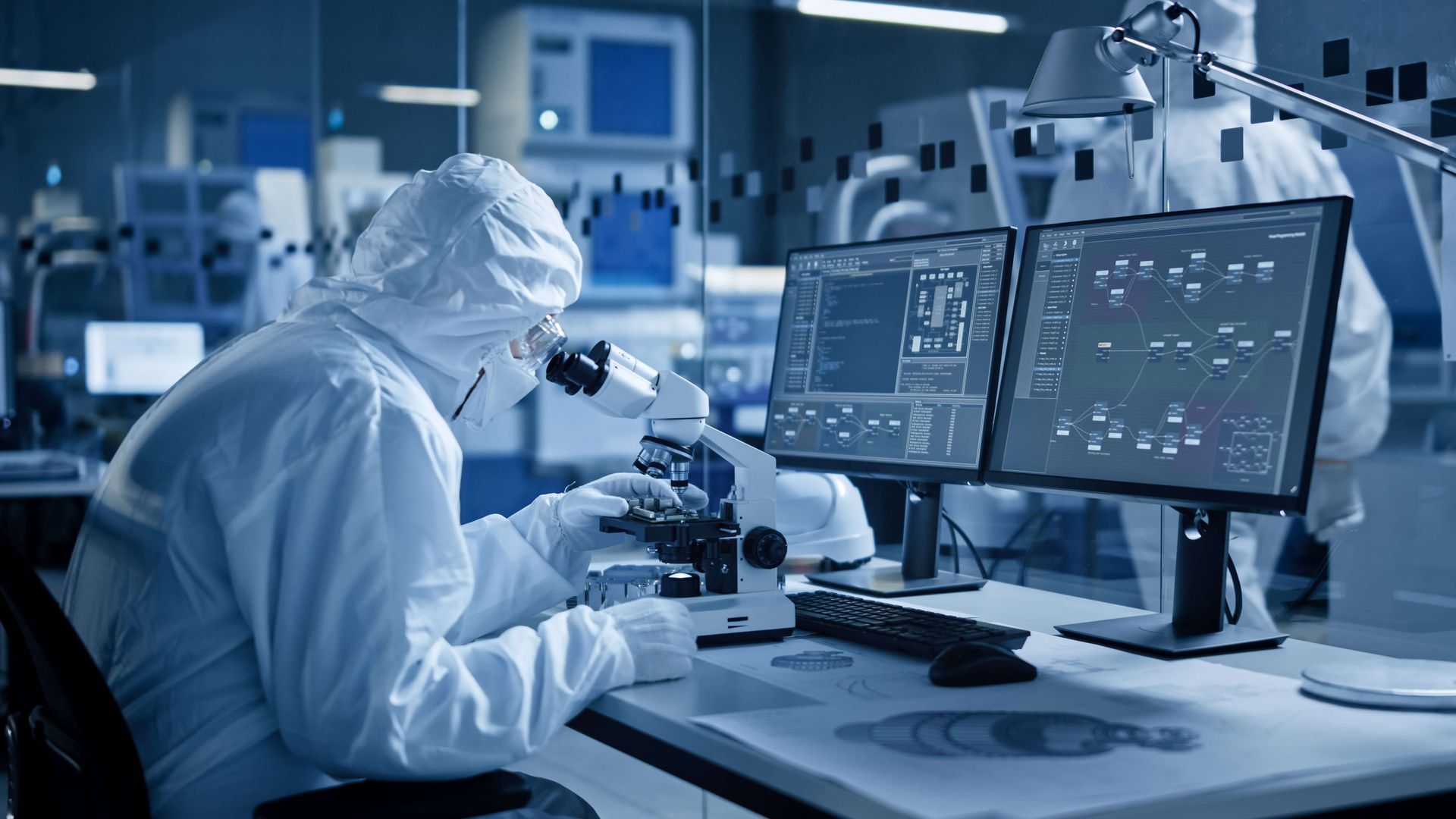
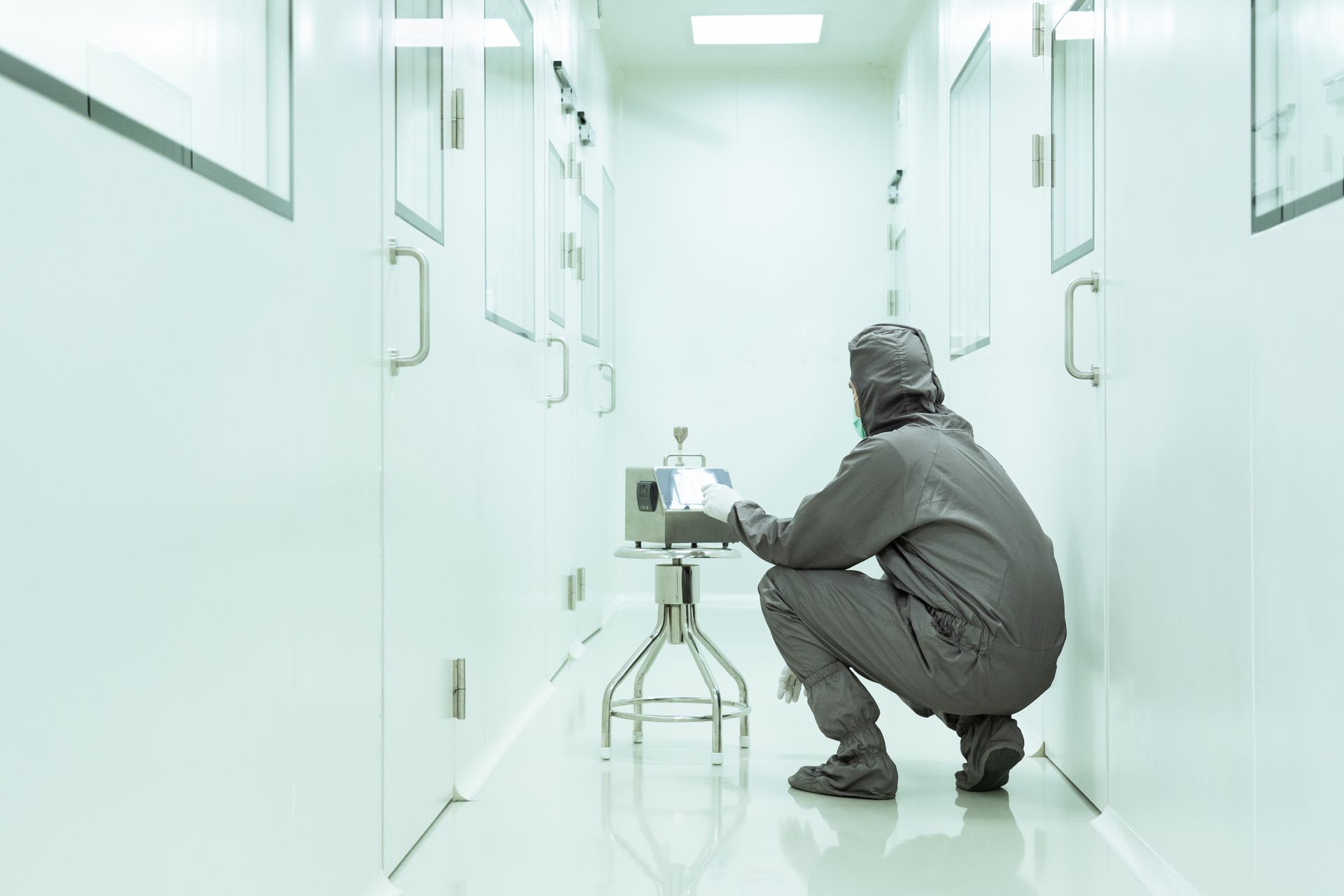
Sterilization of cleanroom equipment is essential to maintaining controlled bioburden levels, protecting product integrity, and meeting the stringent microbial standards required in pharmaceutical, biotechnology, medical device, and advanced materials environments. Effective sterilization prevents viable microorganisms from entering controlled areas, reduces contamination risk during critical operations, and supports compliance with ISO 14644 and GMP expectations. This article outlines the primary sterilization techniques used in cleanrooms, their engineering considerations, and the requirements for safe, consistent, validated application.
2 The Role of Sterilization in Cleanroom Contamination Control
Cleanrooms rely on filtration, airflow, gowning, and cleaning to manage particulate and microbial contamination. Sterilization complements these controls by ensuring that tools, containers, instruments, and equipment brought into classified spaces do not introduce viable microorganisms. Sterilization is particularly critical in aseptic processing, sterile packaging operations, and environments handling cell cultures or biologics.
Consistent sterilization protocols help maintain validated conditions, support environmental monitoring performance, and ensure that microbial excursions are minimized. Documentation, traceability, and validation are essential components of a compliant sterilization program.
3 Key Considerations Before Selecting a Sterilization Method
Selecting a sterilization technique requires evaluating:
- Material compatibility (heat sensitivity, corrosion risk, polymer stability).
- Microbial load and resistance typical of the equipment’s intended use.
- Penetration requirements, especially for complex geometries or internal cavities.
- Process impact on equipment calibration or performance.
- Turnaround time based on production needs.
- Regulatory requirements under GMP or sector-specific standards.
Proper method selection ensures equipment integrity while delivering consistent microbial lethality.
4 Heat Sterilization: Autoclaving (Moist Heat)
Autoclaving is one of the most widely used sterilization methods because it is reliable, repeatable, and suitable for stainless steel, glass, and many polymer components.
Principle:
Moist heat sterilization uses saturated steam under pressure (typically 121–134°C) to denature microbial proteins and destroy spores.
Applications:
- Stainless steel tools
- Glassware
- Reusable containers
- Some textiles and polymer-based components
Engineering and operational considerations:
- Load configuration must allow steam penetration.
- Validation includes thermocouple mapping, biological indicator testing, and verification of sterilization cycles.
- Sterilized items must be dried thoroughly to prevent microbial growth during storage.
Autoclaving is unsuitable for heat-sensitive materials, electronics, and many elastomers.
5 Dry Heat Sterilization
Dry heat sterilization uses elevated temperatures without moisture, typically between 160–180°C, for extended time periods.
Applications:
- Metal tools incompatible with moisture
- Glassware requiring depyrogenation
- Heat-stable powders or oils (in controlled setups)
Advantages:
- Effective depyrogenation capability (≥250°C for required exposure times)
- No corrosion risk due to moisture
Limitations:
- Longer exposure times than steam
- Unsuitable for most plastics or electronics
Dry heat sterilization is common in sterile pharmaceutical operations where endotoxin removal is critical.
6 Chemical Sterilization: Vaporized Hydrogen Peroxide (VHP)
VHP is widely used in modern cleanroom environments because it is effective at low temperatures and compatible with many materials.
Principle:
Hydrogen peroxide vapor diffuses across surfaces and decomposes into water and oxygen, leaving no residue.
Applications:
- Transfer chambers and pass-throughs
- Isolators and RABS systems
- Stainless steel tools and carts
- Some plastics compatible with oxidative agents
Engineering and operational considerations:
- VHP cycles must be validated for concentration, exposure time, humidity, and aeration.
- Sensors and biological indicators verify adequate sterilant distribution.
- Material compatibility testing is essential due to potential oxidative degradation.
VHP is not suitable for absorbent materials or components sensitive to oxidation.
7 Ethylene Oxide (EO) Sterilization
EO sterilization is used for heat-sensitive materials requiring deep penetration, including complex assemblies and polymer-based equipment.
Principle:
EO gas alkylates microbial DNA and proteins, achieving high-level sterilization.
Applications:
- Complex medical devices
- Polymer assemblies
- Pre-packaged cleanroom components
Advantages:
- Excellent penetration
- Effective for mixed-material components
Limitations:
- Requires long aeration times to remove residual EO
- Strict safety controls needed due to toxicity and flammability
- Not suitable for on-site use in most cleanrooms
EO sterilization is typically performed by certified external facilities.
8 Radiation Sterilization (Gamma and Electron Beam)
Radiation sterilization is common for single-use cleanroom equipment and consumables.
Principle:
High-energy radiation breaks microbial DNA chains, preventing replication.
Applications:
- Single-use gowns, gloves, wipers
- Tubing, connectors, filters
- Prepackaged sterile instruments
Advantages:
- Sterilizes sealed packages
- Excellent material penetration (gamma)
- Fast processing (electron beam)
Limitations:
- Some polymers may degrade or discolor
- Typically performed off-site
- Requires validated dose mapping
Radiation-sterilized disposables support aseptic processing by reducing sterilization burden inside the cleanroom.
9 Alcohol Wipe-Down: Point-of-Use Sterilization
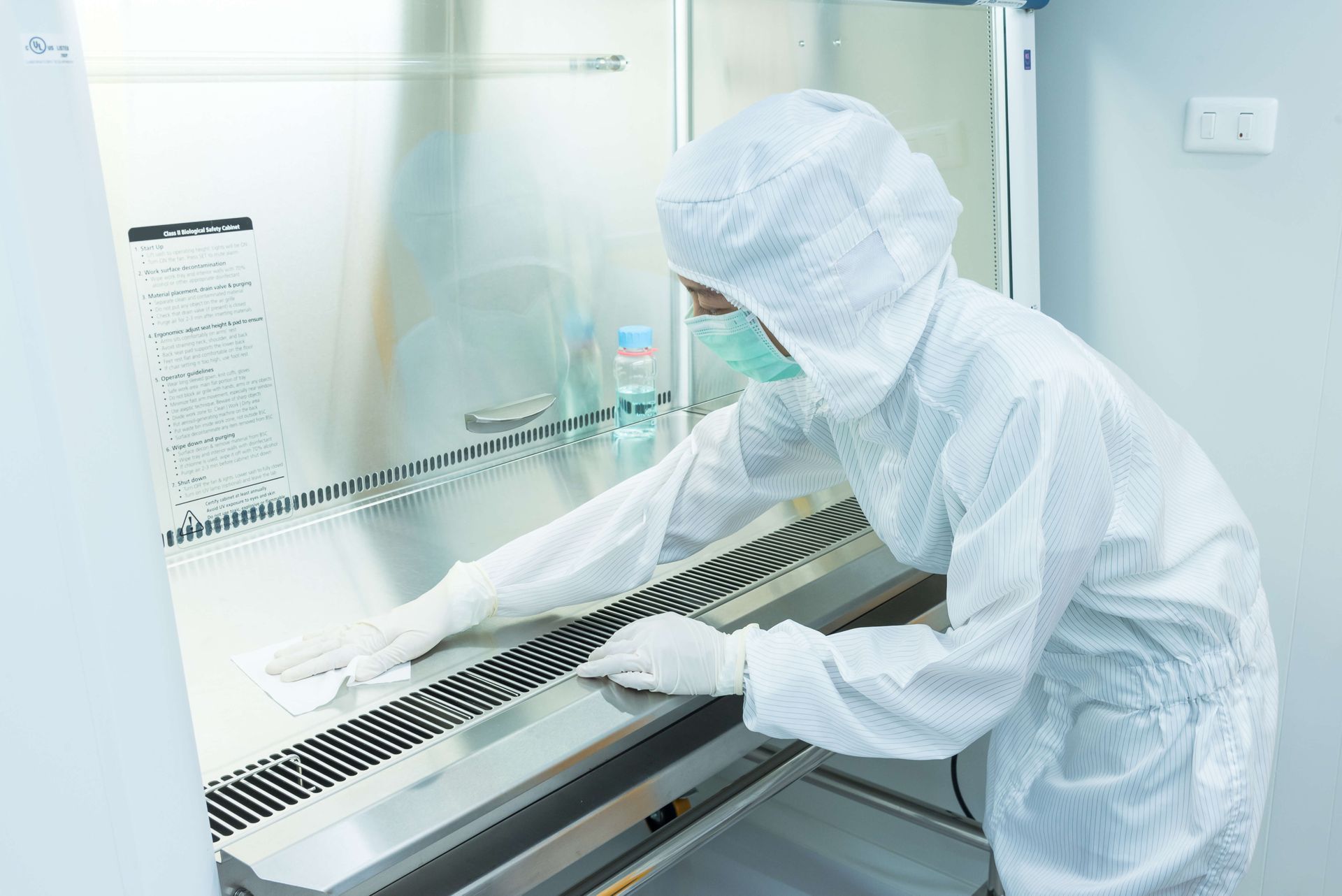
While not a terminal sterilization method, alcohol wipe-down is essential for maintaining aseptic conditions during equipment transfer.
Applications:
- Small tools and handheld instruments
- Exterior surfaces of containers
- Materials moving through airlocks or pass-throughs
Requirements:
- Use sterile 70% isopropyl alcohol or ethanol
- Apply using cleanroom-grade, low-lint wipes
- Ensure defined contact time (typically ≥1 minute)
- Replace wipes frequently to avoid contamination
Alcohol use must be standardized and documented within cleanroom SOPs.
10 Ultraviolet (UV-C) Sterilization
UV-C radiation offers supplementary microbial control for nonporous surfaces and small equipment.
Principle:
UV-C (254 nm) damages microbial DNA, reducing viability.
Applications:
- Transfer chambers
- Biological safety cabinets
- Surface decontamination of tools
Limitations:
- Limited penetration—line of sight only
- Potential for material degradation
- Does not replace validated sterilization methods
UV-C is most effective as a supporting control rather than a primary sterilization strategy.
11 Packaging, Storage, and Post-Sterilization Handling
Sterilized equipment must remain protected to preserve sterility.
Key requirements include:
- Use of validated sterile barrier systems (e.g., peel pouches, double wrapping).
- Handling in ISO-classified preparation areas.
- Clearly labeled sterilization dates, cycles, and expiration timelines.
- Storage in clean, controlled areas to prevent recontamination.
- Procedures for visual inspection for package integrity before use.
Post-sterilization handling is a critical control point that must be documented and audited.
12 Validation and Monitoring of Sterilization Processes
A compliant sterilization program requires rigorous validation, including:
- Installation Qualification (IQ) verifying equipment installation.
- Operational Qualification (OQ) confirming system performance parameters.
- Performance Qualification (PQ) demonstrating consistent microbial lethality.
- Biological indicators for autoclaves, VHP systems, and EO cycles.
- Chemical indicators for load verification.
- Routine calibration and maintenance of sterilization equipment.
- Recordkeeping aligned with GMP and ISO 14644 requirements.
Validation ensures that sterilization processes remain effective, traceable, and audit-ready.
13 Best Practices for Sterilizing Cleanroom Equipment
Effective sterilization programs incorporate:
- Clear SOPs covering method selection, load preparation, cycle parameters, and acceptance criteria.
- Defined material compatibility assessments.
- Routine review of sterilization logs and cycle data.
- Strict segregation of sterile and non-sterile equipment.
- Preventive maintenance for sterilization equipment.
- Integration with document control and training programs.
- Periodic requalification of sterilization cycles and systems.
These practices maintain sterility, support compliance, and reduce the risk of contamination events.
14 Conclusion
Sterilization of cleanroom equipment is a crucial component of microbial control and regulatory compliance. By selecting appropriate sterilization techniques—whether heat, chemical, radiation-based, or point-of-use methods—cleanroom operators can ensure equipment remains safe, effective, and free from viable contamination. Validation, documentation, material compatibility, and disciplined post-sterilization handling are central to maintaining reliable, repeatable sterilization performance. In environments where sterility is non-negotiable, a robust sterilization strategy is essential to sustained cleanroom integrity and product quality.
Read more here:
About Cleanrooms: The ultimate Guide