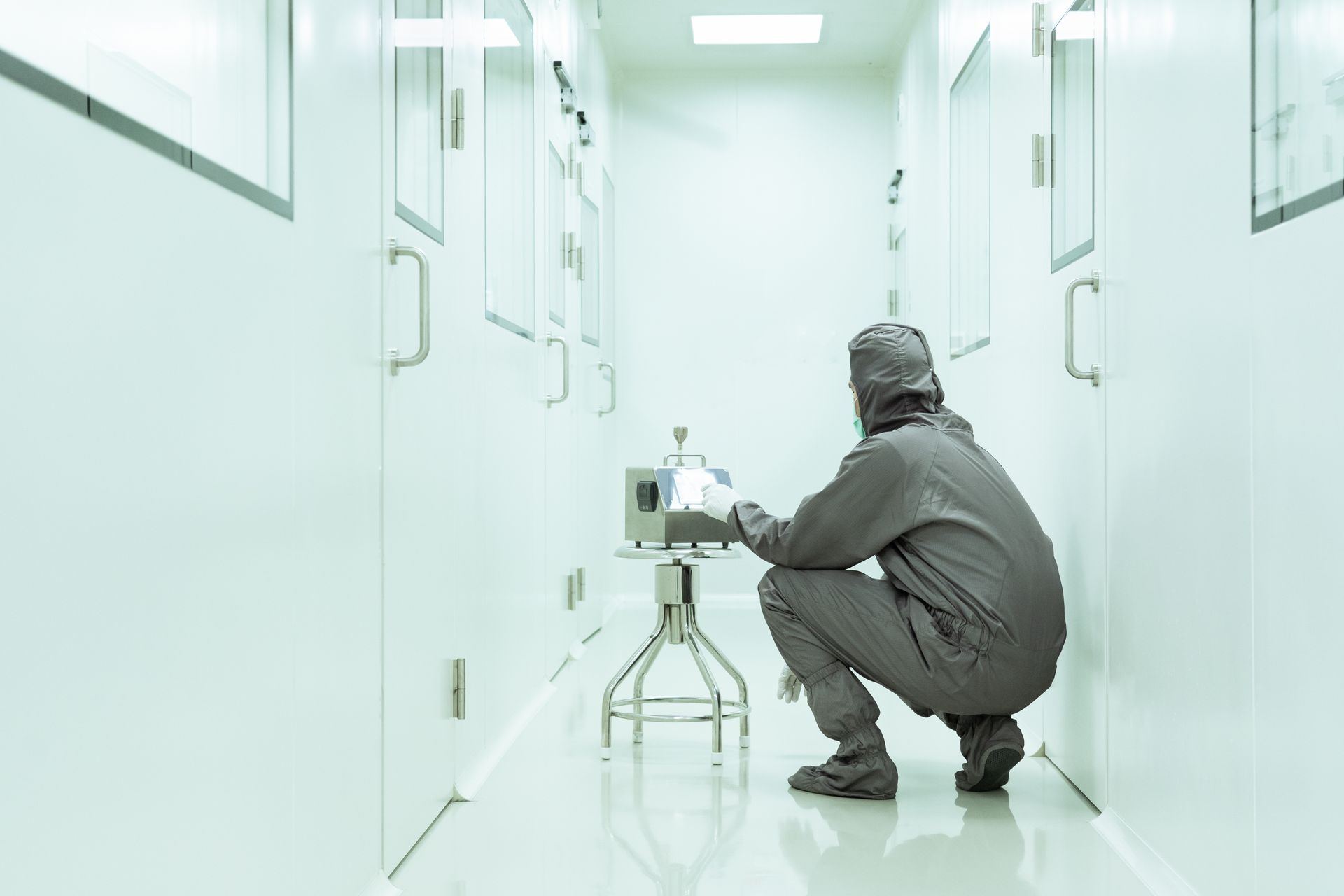
Selection and Validation of Cleaning Agents for Controlled Environments
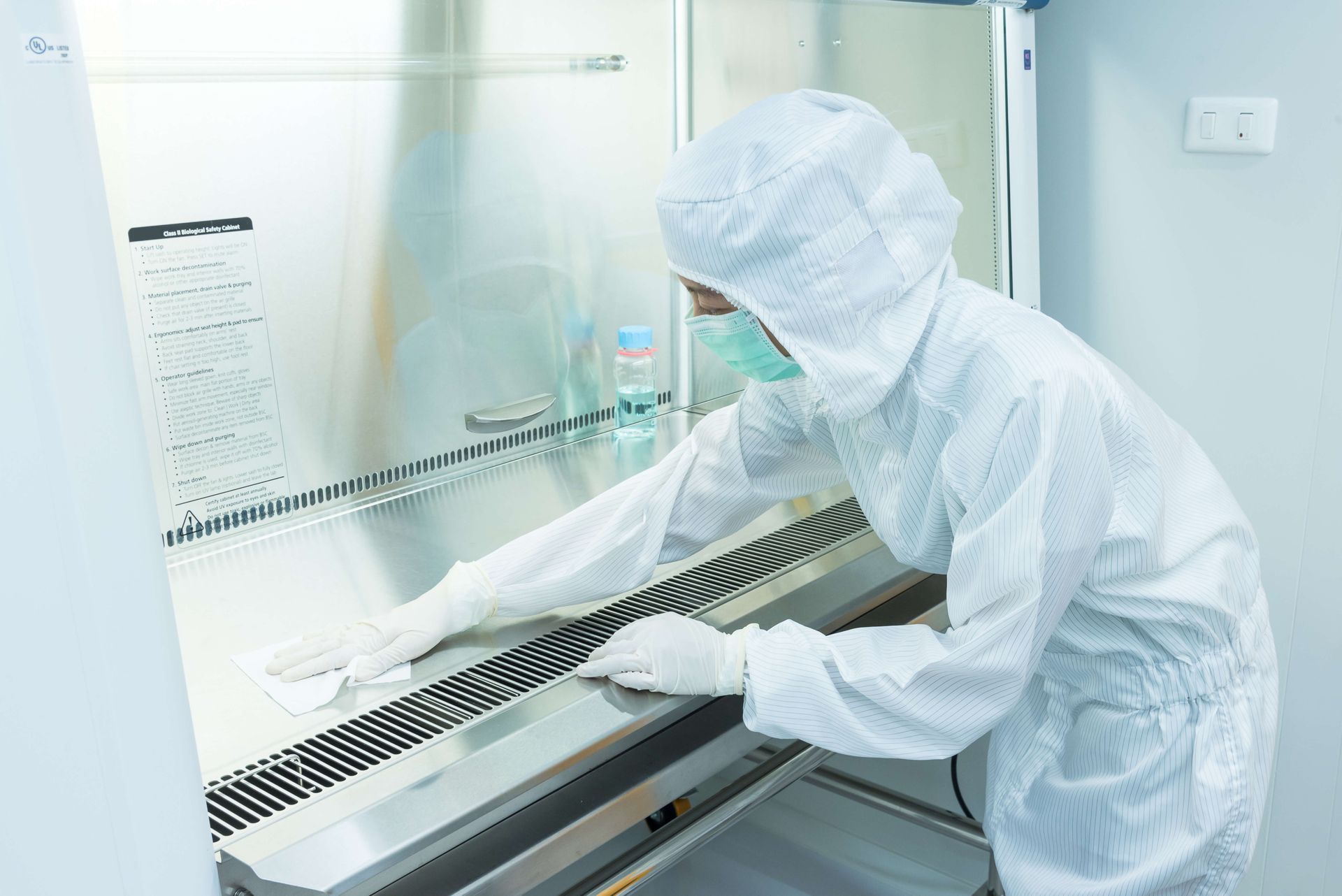
Selection and Validation of Cleaning Agents for Controlled Environments
1. Introduction
Effective cleaning and disinfection are central to contamination control in classified cleanrooms and controlled environments. Regulatory frameworks such as EU GMP Annex 1 and ISO 14644 expect not only the use of suitable cleaning agents but also formal validation of their effectiveness, compatibility, and application methods.
This article provides a practical, engineering-focused approach to selecting and validating cleaning agents for pharmaceutical, biotech, medical device, and high-grade industrial cleanrooms, with emphasis on lifecycle control and documented justification.
2. Defining Requirements for Cleaning Agents
The starting point is a clear definition of what the cleaning and disinfection program must achieve in the context of the facility’s Contamination Control Strategy (CCS).
Typical requirements include that agents must:
- Be effective against the expected microbiological flora and typical bioburden levels.
- Support particulate and film removal, not just microbial kill.
- Be compatible with surfaces (stainless steel, epoxy floors, PVC, acrylics, glass, elastomers).
- Be suitable for use in the required cleanroom grades (e.g., low residue, low VOC if used in Grade A/B).
- Be supplied with appropriate quality and documentation (e.g., sterile, low endotoxin, filtered, batch certificates).
These requirements should be derived from risk assessment and documented in a User Requirement Specification (URS) for cleaning agents.
3. Types of Cleaning and Disinfection Agents
A robust program typically uses a combination of agents rather than relying on a single product.
Common categories:
- Detergents (cleaners):
- Remove visible soils, films, and residues.
- May be neutral, alkaline, or enzymatic depending on process contaminants.
- Often used as a pre-cleaning step before disinfectant application.
- Alcohol-based agents (e.g., 70% isopropanol/ethanol):
- Rapid kill, good for frequent wiping of small surfaces and equipment.
- Limited sporicidal activity; usually combined with a rotational sporicide.
- Evaporate quickly, useful where rapid turnover is required.
- Quaternary ammonium compounds and other disinfectants:
- Broad-spectrum bactericidal and fungicidal activity.
- Often used as routine disinfectants for lower- to mid-risk surfaces.
- Sporicidal agents (e.g., oxidizing agents such as hydrogen peroxide, peracetic acid, chlorine-based formulations):
- Target bacterial and fungal spores; required by Annex 1 for rotation.
- Typically used at defined intervals (e.g., weekly or per campaign) and after higher-risk contamination events.
The CCS should define the rationale for each agent, its frequency of use, and any rotation strategy.
4. Selection Criteria: Technical and Regulatory Considerations
Selecting agents is not merely a purchasing decision; it is an engineering and risk-based exercise.
Key selection criteria:
- Spectrum of activity:
- Must cover Gram-positive and Gram-negative bacteria, yeasts, moulds, and spores where applicable.
- Consider facility-specific isolates identified through environmental monitoring.
- Residue profile:
- Low-residue or residue-free is preferred, especially in Grade A/B.
- Where residues occur (e.g., oxidizing agents, quats), there must be a defined residue removal strategy and visual inspection criteria.
- Material compatibility:
- Agents must not cause corrosion, stress cracking, discoloration, or degradation of seals, coatings, or viewing panels.
- Compatibility testing is essential for critical equipment and architectural finishes.
- Format and supply chain:
- Ready-to-use vs. concentrate (consider dilution errors and water quality).
- Sterile filtered, double-bagged, and gamma-irradiated options for higher grade areas.
- Vendor quality systems, CoAs, and packaging suitable for cleanroom transfer.
- Health, safety, and ergonomics:
- Vapour exposure limits, flammability, odour, and operator acceptability.
- Required PPE and waste handling considerations.
Regulatory expectations require that all these factors be documented and justified in the CCS and supporting validation reports.
5. Establishing a Cleaning and Disinfection Strategy
Before validation, the overall strategy must be defined:
- Zoning and risk mapping:
- Different agents may be used in Grade A/B versus Grade C/D or support areas.
- Some high-risk areas may require exclusive use of specific sterile agents.
- Rotation strategy:
- Routine disinfectant (e.g., daily use) combined with a sporicidal agent at defined intervals.
- Rotation must be scientifically justified, not arbitrary (e.g., based on resistance risk, environmental flora, and process criticality).
- Application frequency and triggers:
- Routine cleaning schedule (per shift, daily, per batch).
- Additional applications after planned or unplanned interventions, spills, or deviations.
- Methods and tools:
- Wipes, mops, foaming systems, spray-and-wipe, or vapour systems.
- Pre-saturated vs. spray-on agents; single-use vs. reusable tools (with validated laundering/sterilization for reusables).
This strategy becomes the reference framework for subsequent validation activities.
6. Laboratory Validation of Microbiological Effectiveness
Validation of cleaning agents must demonstrate that they are effective against relevant microorganisms under realistic conditions.
Typical laboratory tests include:
- Quantitative surface tests:
- Inoculate representative surfaces (stainless steel, epoxy, glass) with defined microbial loads.
- Allow realistic drying time, then apply the agent using the intended contact time and method.
- Measure log reduction; define acceptance criteria (e.g., ≥3–5 log reduction depending on risk).
- Suspension tests:
- Evaluate intrinsic kill efficacy in solution; useful for initial screening but less representative of real surfaces.
- Inclusion of facility isolates:
- At least some testing should incorporate environmental isolates recovered from the facility (or representative strains if a new build).
- Ensures the agents are effective against the flora actually observed or expected.
- Organic load and “worst-case” conditions:
- Include interfering substances (e.g., proteins, polysaccharides) to simulate soiling.
- Test at lower temperatures or upper contact-time limits if relevant.
Results must clearly support the chosen agents, concentrations, and contact times used in SOPs.
7. Field Validation in the Cleanroom Environment
Laboratory data are necessary but not sufficient. On-site validation demonstrates that the agents and procedures are effective in real operational conditions.
Typical field-validation steps:
- Baseline assessment:
- Measure viable and non-viable contamination levels with existing or trial procedures.
- Use defined sampling locations (floors, work surfaces, equipment touch points, difficult-to-clean areas).
- Execution of validated protocol:
- Apply the selected agent(s) using defined methods, tools, and contact times.
- Repeat environmental sampling after cleaning and disinfection.
- Trend and compare:
- Demonstrate statistically meaningful reduction or control of microbial and particulate levels.
- Show that alert/action limits are respected and that variability is acceptable.
- Operator technique verification:
- Observe and document actual application technique; adjust training and SOPs if laboratory assumptions are not met (e.g., insufficient wetting, shortened contact times).
Field validation is especially important when introducing new agents, changing concentrations, or modifying cleaning frequencies.
8. Compatibility and Residue Validation
Even effective agents can be unsuitable if they damage surfaces or leave problematic residues.
Key validation elements:
- Material compatibility studies:
- Expose representative coupons of construction materials and equipment finishes to repeated cycles of the agent.
- Inspect for corrosion, loss of gloss, discoloration, softening, cracking, or clouding.
- Include seals, gaskets, viewing windows, and polymeric components.
- Residue assessment:
- Visual inspection criteria (no streaking, film, crystallization).
- Where needed, use analytical methods (e.g., conductivity, TOC, specific ion tests) to confirm removal.
- Validate rinse or secondary wipe procedures if residues are a concern (particularly for oxidizing or high-solid agents).
Acceptance criteria should be aligned with equipment manufacturers’ recommendations and the facility’s cleaning validation policy.
9. Documentation, SOPs, and Training
A validated cleaning agent program must be fully documented and embedded in routine practice.
Core documentation includes:
- Cleaning and disinfection master plan, linked to the CCS.
- Validation protocols and reports describing microbiological, field, compatibility, and residue studies.
- Standard Operating Procedures (SOPs) covering:
- Agent preparation/dilution and expiry times.
- Transfer into controlled areas.
- Application methods, tools, and sequences.
- Required contact times and drying conditions.
- Supplier documentation (CoA/CoC, sterilization data, filtration, packaging).
Training must cover both theoretical rationale (why particular agents and rotations are used) and practical technique, assessed via observation and periodic requalification.
10. Lifecycle Management and Periodic Review
Cleaning agent selection and validation are not one-off activities; they require ongoing lifecycle management.
Key lifecycle elements:
- Periodic review (e.g., annually):
- Evaluate environmental monitoring trends, deviations, and CAPAs for signals of declining effectiveness.
- Review new isolates and resistance patterns; update validation where necessary.
- Change control:
- Any change in supplier, formulation, concentration, or application method must undergo formal impact assessment.
- Revalidation may be partial (e.g., focused on compatibility or microbiological efficacy) depending on risk.
- Regulatory and standard updates:
- Ensure the program continues to meet evolving expectations from Annex 1, ISO standards, and sector-specific guidance.
- Continuous improvement:
- Incorporate lessons from audits, investigations, and operator feedback.
- Consider ergonomics, waste reduction, and energy implications where they do not compromise contamination control.
11. Common Pitfalls and How to Avoid Them
Frequently observed weaknesses include:
- Relying solely on vendor literature without facility-specific validation.
- Inconsistent or undocumented contact times in practice versus validation.
- Lack of sporicidal rotation or poor justification for its frequency.
- Using agents that are incompatible with critical surfaces, leading to long-term damage.
- Not including environmental isolates in microbiological validation.
- Poor documentation linking CCS, risk assessment, and agent selection.
Avoiding these pitfalls requires a disciplined, evidence-based approach where engineering, microbiology, QA, and operations collaborate from the outset.
12. Conclusion
The selection and validation of cleaning agents in controlled environments are central to robust contamination control and regulatory compliance. A well-structured program combines risk-based selection, laboratory and field validation, compatibility and residue assessment, and clear operational documentation.
By embedding cleaning agent decisions within the facility’s CCS and managing them across the lifecycle, cleanroom operators can maintain consistent environmental control, protect product quality, and demonstrate to regulators that contamination risks are understood, mitigated, and continually monitored.
Read more here: About Cleanrooms: The ultimate Guide