Understanding Cleanroom Training and Education Programs

Introduction
Cleanroom environments are specialized workspaces designed to maintain extremely low levels of environmental pollutants such as dust, airborne microbes, aerosol particles, and chemical vapors. These environments are crucial in industries such as pharmaceuticals, biotech, medical device fabrication, and semiconductor manufacturing.
Due to the critical nature of the work conducted in these spaces, personnel must undergo comprehensive training. This article explores the components, importance, and outcomes of cleanroom training and education programs.
1. The Importance of Cleanroom Training
In sectors where cleanrooms are employed, the smallest contamination can result in product failures, costly downtime, and health risks. Therefore, cleanroom training is not just a regulatory requirement but a critical investment in quality assurance and safety. It ensures that all personnel understand how their actions can affect cleanroom integrity and are skilled in preventing contamination.
2. Key Components of Cleanroom Training Programs
Cleanroom training programs are typically tailored to the specific requirements of the industry and the individual facility, but there are several key components that are generally covered:
- Introduction to Cleanroom Standards and Protocols: Trainees learn about the standards that govern cleanroom operations, such as ISO 14644 and US Federal Standard 209E, which classify cleanrooms based on the cleanliness level of the air.
- Behavior and Cleanliness Protocols: This involves training on the proper gowning procedures, including the sequential steps to put on and take off cleanroom garments correctly. Additionally, personnel are taught how to behave inside a cleanroom to minimize the generation of contaminants.
- Equipment and Materials Handling: Proper techniques for handling tools, equipment, and materials within a cleanroom. This includes understanding how to clean and sanitize items before bringing them into a clean environment.
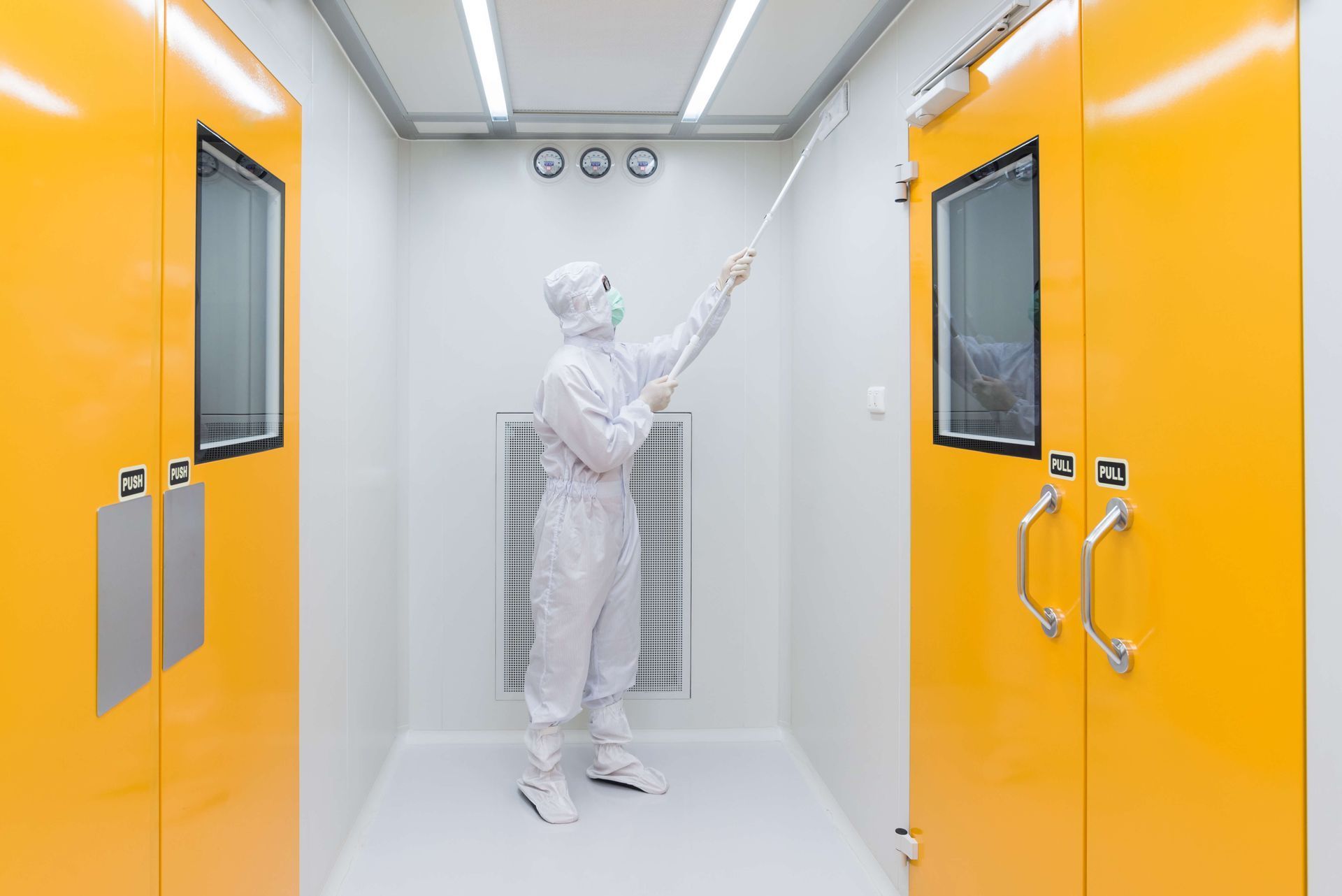
- Cleanroom Maintenance: Regular cleaning and maintenance protocols are essential to keep the cleanroom within the required standards. This section covers everything from daily cleaning procedures to the more thorough cleanings that might involve entire system shutdowns.
- Emergency Procedures: Training also includes responses to emergencies, such as chemical spills, breaches in cleanroom protocol, or equipment failures that could compromise the clean environment.
3. Delivery Methods and Educational Tools
Training methods in cleanroom education can vary from in-person workshops and seminars to online courses and virtual simulations. The latter has become increasingly popular, offering interactive and immersive learning experiences that can simulate a variety of cleanroom scenarios without the risk of actual contamination.
- Hands-on Training: This is critical as it allows trainees to practice gowning procedures, cleanliness practices, and emergency responses in a controlled, supervised environment.
- Video Demonstrations: Often used to show correct procedures in a visually engaging way, helping to reinforce best practices among trainees.
- Regular Assessments and Certification: Testing is a regular feature of training programs, ensuring that knowledge is retained and applied. Certification, either from a recognized body or the training institution, helps in maintaining a qualified workforce.
4. Who Needs Cleanroom Training?
Cleanroom training isn't just for new employees. It is crucial for everyone involved in cleanroom operations, from janitorial staff to engineers and management. Regular refresher courses are also important to ensure that all personnel are up-to-date with the latest standards and techniques.
5. Benefits of Effective Cleanroom Training
Investing in high-quality cleanroom training has numerous benefits:
- Reduced Risk of Contamination: Well-trained staff significantly lower the risk of contamination, leading to higher product quality and fewer batch failures or product recalls.
- Regulatory Compliance: Effective training ensures compliance with industry regulations, which can protect against legal or regulatory penalties.
- Employee Confidence and Retention: Employees who are well-trained are more confident in their roles, which enhances job satisfaction and retention rates.
- Cost Efficiency: Reducing contamination reduces waste, thereby saving on material costs and avoiding expensive downtime needed for decontamination.
Conclusion
Cleanroom training and education programs are essential for maintaining the stringent cleanliness standards required in critical industries. By investing in thorough and effective training, companies can ensure that their products meet the highest standards of quality and safety, while also adhering to relevant regulatory requirements.
This training not only supports compliance and operational excellence but also fosters a culture of continuous improvement and professionalism in high-tech industrial environments.
Read more: All About Cleanrooms - The ultimate Guide