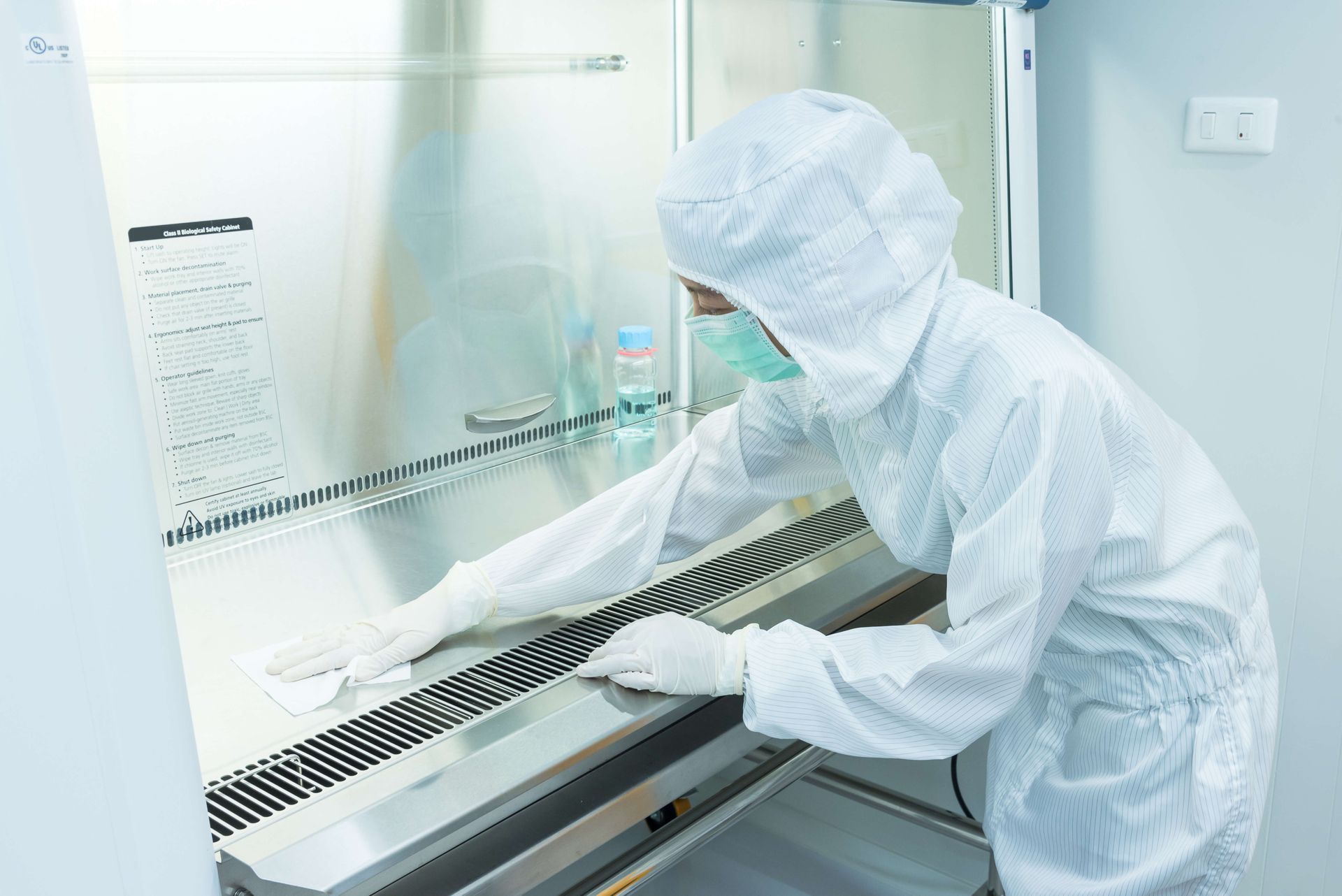
Automation of Gowning Procedures: Intelligent Systems and Smart Cabinets
The Future of Cleanroom Personnel Entry Through Intelligent Gowning Solutions
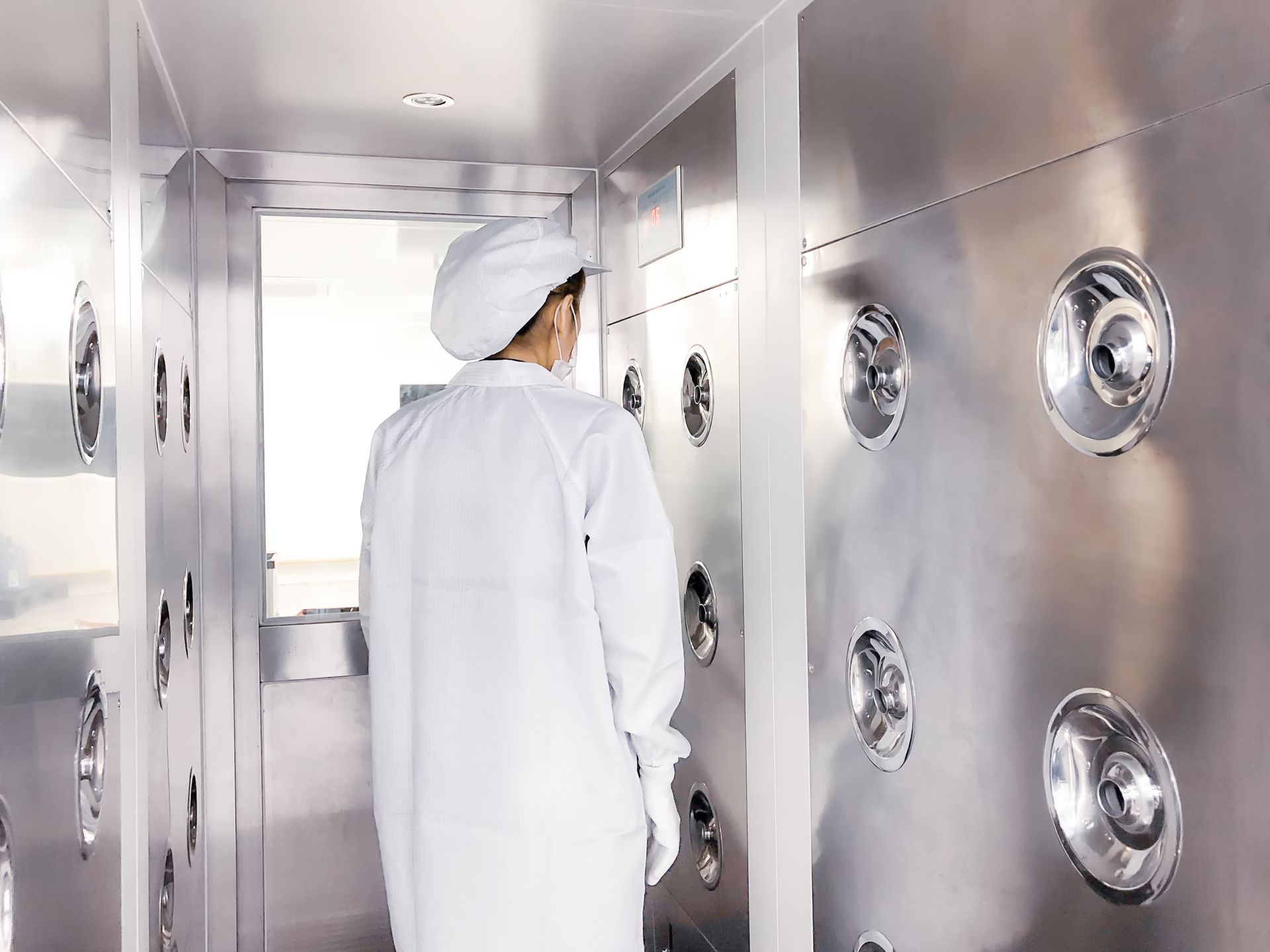
Automation of Gowning Procedures: Intelligent Systems and Smart Cabinets
Introduction
Automation is transforming cleanroom operations across pharmaceutical, biotechnology, semiconductor, and advanced manufacturing industries. While much attention is often given to production automation, gowning procedures remain a critical area where operational efficiency, contamination control, and regulatory compliance intersect.
Intelligent gowning systems and smart storage cabinets are increasingly being adopted to improve process consistency, reduce human error, and provide complete traceability throughout personnel entry procedures.
As cleanrooms become more digitally connected, automated gowning solutions are evolving from simple storage systems into integrated platforms that support contamination control, personnel management, and quality assurance.
1.1 Why Gowning Procedures Matter
Personnel are the largest source of contamination in most cleanrooms. Human skin continuously sheds particles and microorganisms, making proper gowning one of the most important contamination control measures.
A standardized gowning process helps ensure:
- Correct garment selection
- Proper dressing sequence
- Reduced particle generation
- Compliance with ISO 14644 cleanroom requirements
- Compliance with GMP Annex 1 contamination control strategies
- Consistent operator behavior
Even well-trained personnel can make mistakes during repetitive daily routines. Automation helps reduce variability while providing objective documentation of compliance.
1.2 Limitations of Traditional Gowning Rooms
Many facilities still rely on manual gown distribution using shelves, lockers, or cabinets.
These systems present several operational challenges:
- Incorrect garment selection
- Missing gown sizes
- Uncontrolled garment inventory
- Poor visibility of stock levels
- Limited traceability
- Manual documentation
- Increased labor for inventory management
Paper logs or manual checklists also create opportunities for documentation errors and incomplete audit trails.
As cleanroom regulations increasingly emphasize data integrity and contamination control, automated gown management provides a more reliable solution.
1.3 What Are Intelligent Gowning Systems?
Intelligent gowning systems combine automated dispensing equipment, digital identification technologies, inventory management software, and access control into one integrated solution.
Typical system components include:
- RFID identification
- Barcode tracking
- Employee authentication
- Automated garment dispensing
- Smart storage cabinets
- Inventory monitoring
- Laundry management integration
- Electronic audit trails
The objective is not only to automate garment distribution but also to ensure every operator receives the correct garments for their assigned cleanroom classification.
1.4 Smart Cabinets for Garment Management
Smart gowning cabinets function as automated dispensing systems rather than simple storage units.
Typical features include:
Controlled Access
Personnel authenticate using:
- Employee badge
- RFID card
- PIN code
- Biometric identification
- Integrated access control systems
Only authorized personnel can obtain cleanroom garments.
Automated Garment Selection
The cabinet identifies:
- Employee role
- Department
- Cleanroom classification
- Required PPE
- Garment size
The correct garments are then dispensed automatically.
This reduces the risk of incorrect gown selection, which can compromise contamination control.
Inventory Management
Each garment movement is automatically recorded.
The system continuously tracks:
- Available stock
- Low inventory
- Laundry status
- Garment usage frequency
- Replacement requirements
Facility managers gain real-time visibility into gown inventory without manual counting.
1.5 RFID-Based Garment Tracking
Radio Frequency Identification (RFID) has become one of the most valuable technologies in automated gowning.
Each garment contains a washable RFID tag capable of surviving repeated industrial laundering.
The system tracks:
- Garment identity
- User assignment
- Number of wash cycles
- Issue date
- Return date
- Laundry history
- Retirement status
This lifecycle management prevents garments from exceeding their validated service life.
For reusable garments, RFID also supports preventive replacement based on validated laundering limits rather than visual inspection alone.
1.6 Integration with Access Control
Many modern facilities integrate gowning automation directly with electronic access systems.
Personnel may be required to complete the full gowning procedure before access to the cleanroom is granted.
Integration may include:
- Badge readers
- Turnstiles
- Airlock doors
- Personnel monitoring systems
- Training databases
Access can be denied if:
- Required garments are missing
- Training has expired
- Medical clearance has lapsed
- Garment return is overdue
- Unauthorized PPE is selected
This creates an additional layer of contamination control beyond operator training.
1.7 Digital Standard Operating Procedures (SOPs)
Advanced systems can guide personnel through the gowning sequence using digital instructions.
Examples include:
- Touchscreen displays
- Visual animations
- Step-by-step instructions
- Multiple language support
- Audio prompts
Some systems require confirmation before the next gowning step becomes available.
This approach improves consistency, particularly in facilities with:
- High personnel turnover
- Multiple shifts
- Contract staff
- International workforces
1.8 Intelligent Inventory Optimization
Traditional inventory management often relies on periodic manual counts.
Smart cabinets continuously calculate:
- Daily garment consumption
- Peak demand
- Laundry turnaround
- Safety stock
- Reorder points
Facility managers receive alerts before inventory shortages occur.
Some systems can automatically generate purchase requests or communicate directly with enterprise resource planning (ERP) software.
This reduces unnecessary inventory while maintaining adequate gown availability.
1.9 Laundry Process Integration
Reusable garments require controlled laundering, inspection, repair, and validation.
Automation improves communication between:
- Cleanroom operators
- Laundry providers
- Warehouse personnel
- Quality assurance
RFID tracking allows garments to move through the complete lifecycle:
- Dispensed
- Used
- Returned
- Laundered
- Inspected
- Repackaged
- Redistributed
Every stage is digitally recorded.
This greatly simplifies investigations during quality audits.
1.10 Data Collection and Compliance
Automated gowning systems generate extensive operational data.
Examples include:
- User identification
- Time of garment issue
- Time of return
- Garment history
- Inventory status
- Access records
- Laundry records
- Alarm history
These electronic records support:
- GMP documentation
- Internal audits
- Root cause investigations
- CAPA activities
- Regulatory inspections
Electronic records also eliminate many transcription errors associated with manual documentation.
1.11 Benefits for Contamination Control
Automation supports contamination control by improving process consistency rather than replacing operator training.
Key advantages include:
- Reduced human error
- Standardized gowning procedures
- Correct PPE selection
- Improved garment lifecycle control
- Better inventory accuracy
- Faster personnel throughput
- Enhanced traceability
- Improved audit readiness
These improvements contribute to a more robust contamination control strategy, particularly in high-grade pharmaceutical environments.
1.12 Considerations Before Implementation
Although intelligent gowning systems offer significant benefits, successful implementation requires careful planning.
Organizations should evaluate:
- Facility layout
- Personnel traffic patterns
- Existing access control systems
- IT infrastructure
- Validation requirements
- Cybersecurity
- User training
- Maintenance support
System validation should demonstrate that automation consistently performs as intended and complies with applicable quality management requirements.
It is also important to establish contingency procedures for power failures, network outages, or equipment malfunctions to ensure uninterrupted cleanroom operations.
1.13 Future Developments
Automation technologies continue to evolve alongside broader digital transformation initiatives in cleanroom environments.
Emerging developments include:
- Artificial intelligence for inventory forecasting
- Predictive garment replacement based on usage analytics
- Cloud-connected fleet management across multiple facilities
- Digital twin integration for cleanroom operations
- Wearable technologies linked to gowning records
- Automated compliance dashboards
- Machine vision verification of gowning completeness
As these technologies mature, intelligent gowning systems are expected to become increasingly integrated with manufacturing execution systems (MES), environmental monitoring platforms, and electronic quality management systems (eQMS), creating more comprehensive digital contamination control ecosystems.
Conclusion
Automated gowning procedures represent an important advancement in cleanroom contamination control. Intelligent cabinets, RFID garment tracking, digital SOPs, and integrated access control systems help standardize personnel entry, improve inventory management, and provide complete traceability throughout the garment lifecycle.
Rather than replacing established contamination control practices, these technologies strengthen them by reducing variability, improving documentation, and supporting compliance with ISO 14644 and GMP expectations. As cleanroom facilities continue their transition toward Industry 4.0 and digital quality management, intelligent gowning systems are becoming valuable components of modern, data-driven cleanroom operations.
Read more here: About Cleanrooms: The ultimate Guide