Cleanroom Protocols and Procedures for New Employees
Introduction
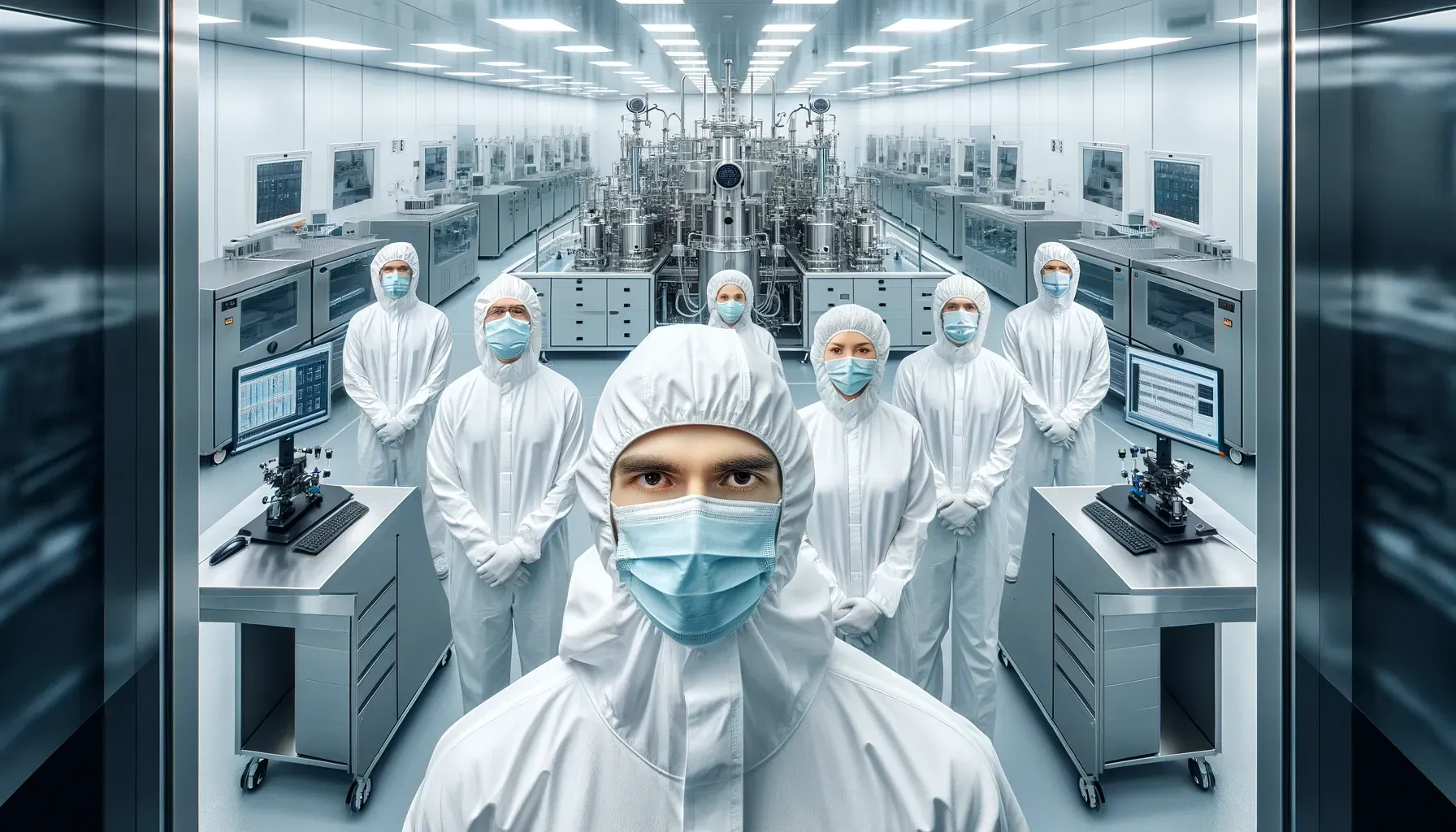
Cleanrooms are controlled environments used in manufacturing, scientific research, and other sectors that require extremely low levels of environmental pollutants such as dust, airborne microbes, aerosol particles, and chemical vapors. The cleanliness and integrity of a cleanroom are critical for the quality and safety of products, especially in industries like pharmaceuticals, biotech, and semiconductor manufacturing. For new employees, understanding and adhering to cleanroom protocols is essential. This article provides an in-depth guide to the key protocols and procedures for new employees working in a cleanroom environment.
Understanding Cleanrooms
1. Classification and Standards
Cleanrooms are classified based on the cleanliness level of the air, measured by the number of particles per cubic meter at a specified particle size. The International Organization for Standardization (ISO) provides a classification from ISO 1, the cleanest, to ISO 9, based on the number of particles. For example, an ISO 5 cleanroom allows 100,000 particles per cubic meter of size 0.1 microns or larger.
2. Primary Purpose
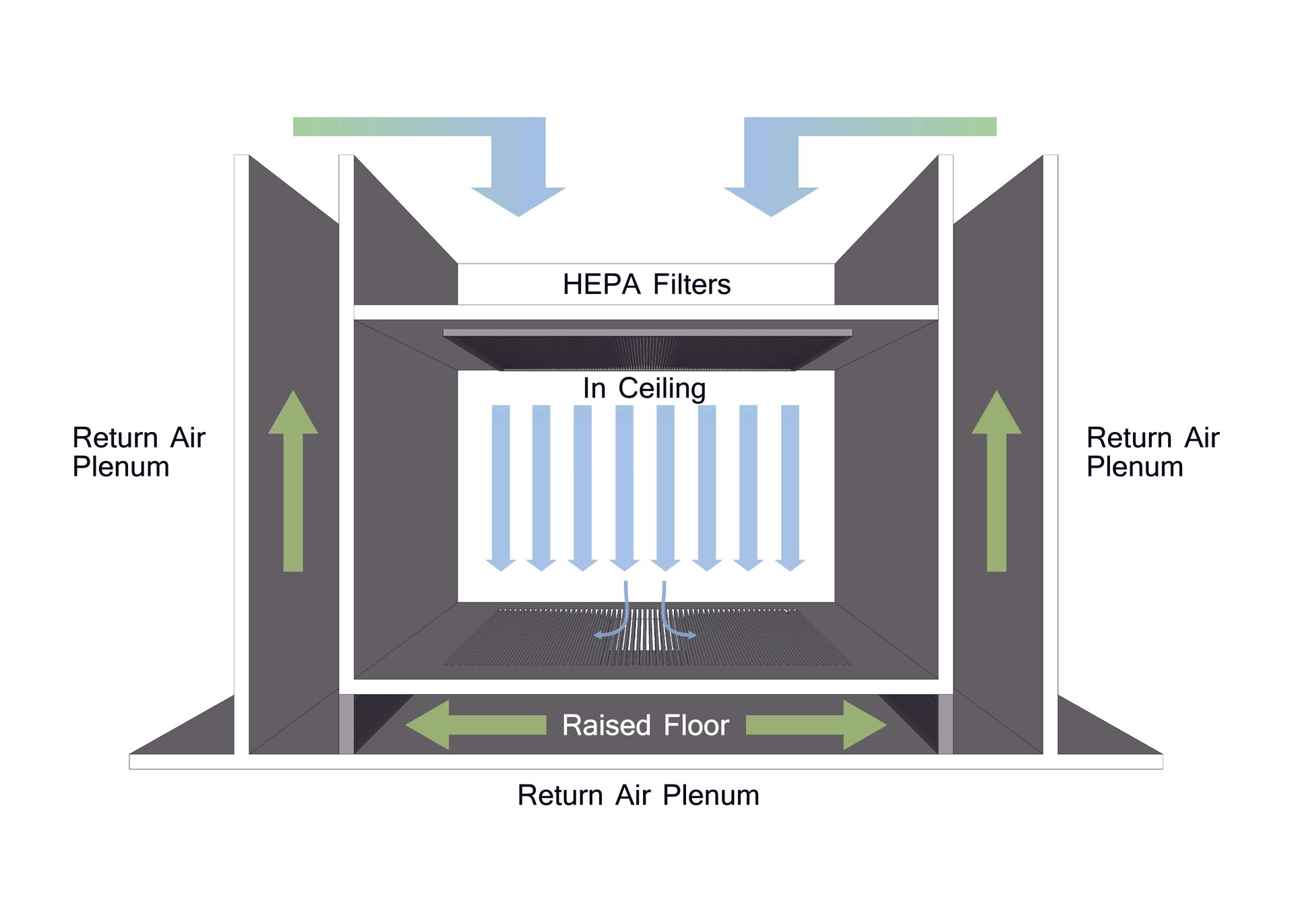
The main purpose of a cleanroom is to limit contamination and control environmental parameters, including temperature, humidity, and pressure. Each cleanroom is designed with specific industries and activities in mind, affecting the strictness of its regulations.
Key Protocols for New Employees
1. Preparation and Gowning Procedures
Proper gowning is crucial to maintain the integrity of a cleanroom. The procedure typically includes:
- Changing Room: Employees change from street clothes into cleanroom garments in a designated area.
- Garments: Depending on the cleanroom class, garments can include coveralls, hoods, face masks, boots or shoe covers, and gloves.
- Gowning Technique: There is a specific sequence for putting on cleanroom garments to minimize contamination. This sequence often includes putting on the lower garments first, followed by hoods, masks, and finally gloves.
2. Behavior Inside the Cleanroom
Behavior inside the cleanroom is also regulated to prevent contamination:
- Movement: Movements should be slow and deliberate to minimize the creation of airflow that can stir up particles.
- Cleanliness: No cosmetics, perfumes, or outside materials (like pens or paper) are allowed. Only materials and tools that are cleanroom-approved may be used.
- Eating and Drinking: These activities are strictly prohibited in the cleanroom.
3. Cleaning and Maintenance
Regular cleaning and maintenance are vital to maintaining cleanroom standards:
- Daily Cleaning: Floors, walls, and other surfaces are cleaned daily with specific chemicals that do not generate particles.
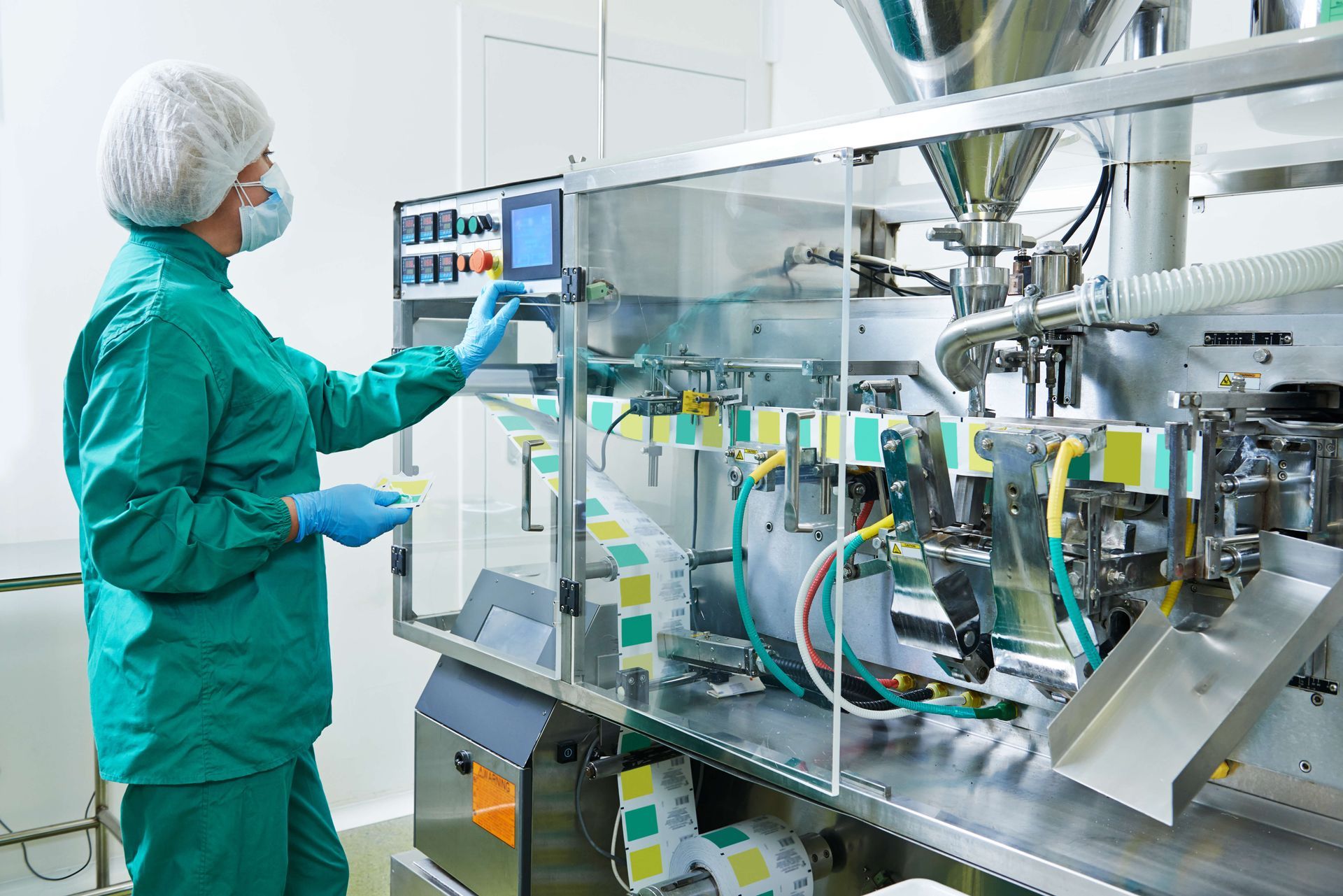
- Equipment Cleaning: All equipment used inside the cleanroom must be cleaned and, if necessary, sterilized before entry.
- Scheduled Maintenance: Air filters, HVAC systems, and other critical equipment are regularly checked and maintained to ensure optimal operation.
Training and Compliance
1. Initial Training
New employees undergo comprehensive training that covers:
- Theoretical Training: Understanding the science behind particle contamination and the importance of cleanroom protocols.
- Practical Training: Hands-on training in gowning procedures, proper cleanroom behavior, and cleaning protocols.
2. Continuous Education
Ongoing training sessions are held to update employees on any changes in cleanroom standards or company policies.
3. Monitoring Compliance
Compliance with cleanroom protocols is continuously monitored through both visual supervision and environmental monitoring equipment that detects particle levels.
Common Challenges and Tips
- Adapting to Restrictions: The restrictive nature of cleanroom protocols can be challenging for new employees. Patience and practice are key to becoming comfortable with these procedures.
- Maintaining Vigilance: Constant awareness of one’s actions and their potential to cause contamination is essential.
- Communication: Effective communication, often through non-verbal cues or through designated communication devices, is crucial due to the wearing of masks and hoods.
Conclusion
For new employees, adhering to cleanroom protocols is not just about following rules but understanding their critical role in protecting both the products and the processes. Mastery of these protocols ensures safety, product quality, and compliance with regulatory standards, making it a foundational aspect of training for any new cleanroom employee.
Read more: All About Cleanrooms - The ultimate Guide