Cleanrooms and Nanotechnology: A Precision Partnership
In the realm of scientific research and high-tech manufacturing, the integrity of the environment can be as critical as the expertise of the researchers and engineers themselves. This is particularly true in the field of nanotechnology, where the manipulation and assembly of materials at the atomic and molecular scale demand unparalleled levels of environmental control. Cleanrooms provide the essential setting for this delicate work, creating spaces where contaminants are rigorously controlled to facilitate the advancement of nanotechnology. This article explores how cleanrooms are designed and operated to meet the stringent needs of nanotechnology, examining both the challenges faced and the solutions employed in controlling contamination at the nanoscale.
The Role of Cleanrooms in Nanotechnology
Cleanrooms are specialized environments designed to maintain extremely low levels of particulates, such as dust, airborne microbes, aerosol particles, and chemical vapors. In nanotechnology, where products and research involve components at the scale of about 1 to 100 nanometers, even the smallest particle can cause catastrophic defects. For perspective, a human hair is approximately 75,000 nanometers wide, illustrating the scale of precision required.
Key Features of Cleanrooms:
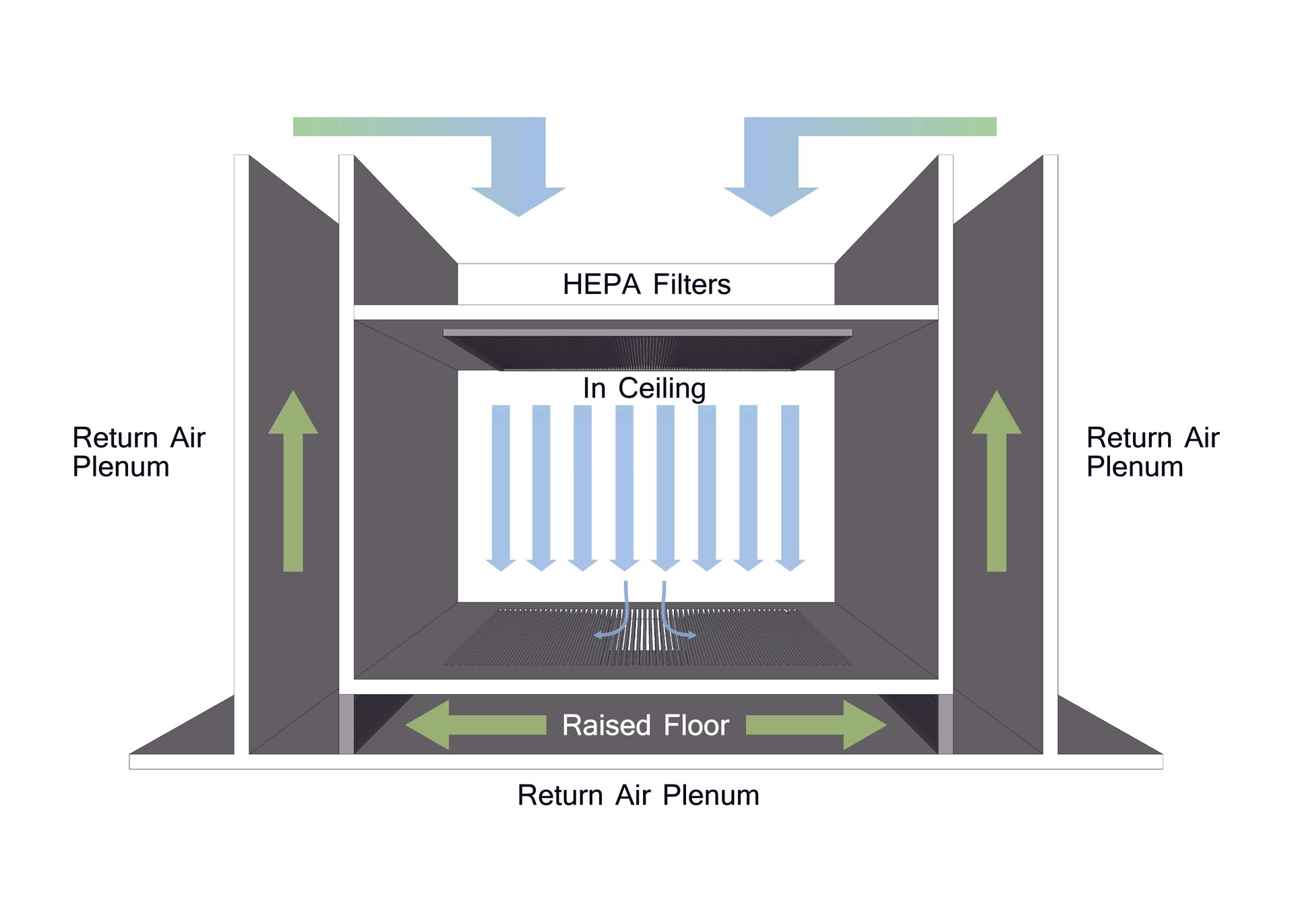
- Controlled Air Quality: Cleanrooms use High Efficiency Particulate Air (HEPA) or Ultra Low Particulate Air (ULPA) filters to remove particles from the air. The air inside a typical cleanroom is replaced thousands of times per hour, ensuring continuous removal of contaminants.
- Regulated Temperature and Humidity: Stability in temperature and humidity is crucial in nanotechnology processes, as fluctuations can lead to material deformation or unwanted chemical reactions.
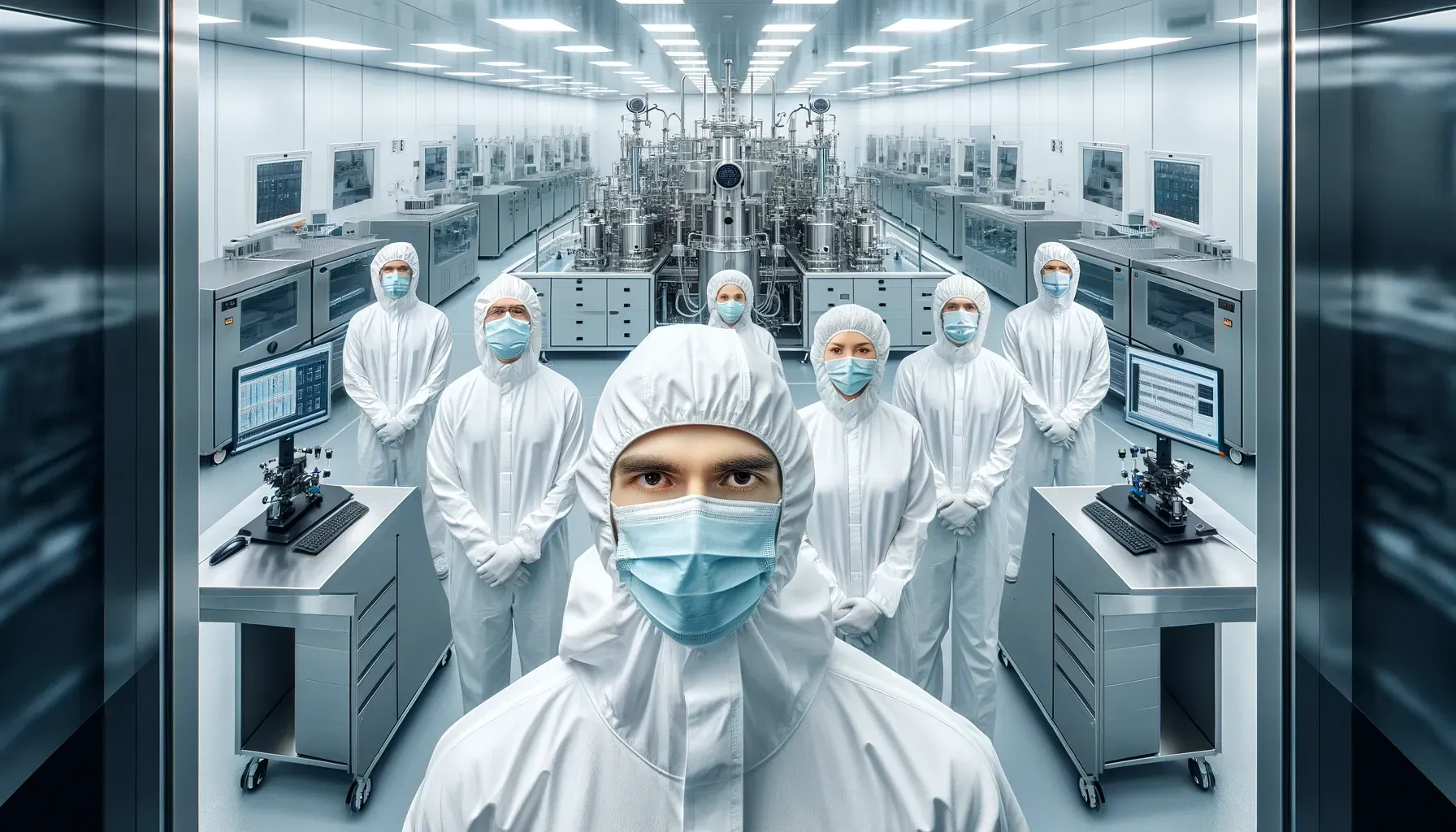
- Material and Personnel Protocols: Entry and exit protocols for personnel and materials are strictly regulated. Workers wear specialized garments, and all materials are cleaned or decontaminated before entering.
Challenges in Nanotechnology Cleanrooms
The very nature of nanoscale materials presents unique challenges in maintaining an ideal cleanroom environment:
- Detection and Measurement of Nanoscale Particles: Traditional monitoring equipment may not be sensitive enough to detect the smallest contaminants relevant to nanotechnology. Advanced sensors and techniques are required to identify and quantify these particles.
- Static Electricity and Nanoparticles: Static charges can attract nanoparticles, causing them to clump or stick to surfaces. This can interfere with manufacturing processes and lead to defects in nanoscale devices.
- Chemical Vapor Contamination: Some nanoscale manufacturing processes involve volatile chemicals which can be difficult to filter and require specialized ventilation solutions.
Innovative Solutions in Cleanroom Technology
To overcome these challenges, cleanroom technology in the context of nanotechnology has evolved significantly:
- Advanced Filtration Systems: Beyond HEPA and ULPA, developments in molecular air filters can capture chemical vapors and even smaller particles.
- Antistatic Materials: Cleanrooms are increasingly incorporating materials that minimize static electricity, such as conductive floor mats and ionizing air guns to neutralize charges.
- Enhanced Particle Detection: New technologies, including laser particle counters and real-time monitoring systems, provide more precise detection and analysis of airborne nanoparticles.
Conclusion
The relationship between cleanrooms and nanotechnology is fundamentally a partnership of precision. The stringent requirements of nanoscale research and production necessitate an environment where even the smallest of variables is controlled. As nanotechnology continues to evolve and expand into various sectors—from electronics and healthcare to environmental science and beyond—the role of cleanrooms will only grow in importance. The ongoing development of more sophisticated cleanroom technologies reflects a commitment to advancing these ultra-precise fields, ensuring that the environments in which this critical work is done are as meticulously engineered as the innovations they help create.
This exploration into the synergy between cleanrooms and nanotechnology highlights not only the complexity of controlling contamination at such infinitesimal scales but also the ingenious solutions that make such advancements possible. The future of nanotechnology, with its potential to revolutionize industries and improve lives, relies heavily on the evolution of cleanroom technologies to keep pace with the ever-decreasing scale of materials and devices.