What distinguishes a cleanroom from a sterile environment?
When discussing environments designed to control contamination, it’s crucial to distinguish between cleanrooms and sterile environments. Though both are used to prevent contamination and ensure the safety and integrity of products or processes, they serve different purposes and are governed by different standards. Understanding these differences is essential for industries such as pharmaceuticals, medical device manufacturing, and healthcare.
Cleanrooms
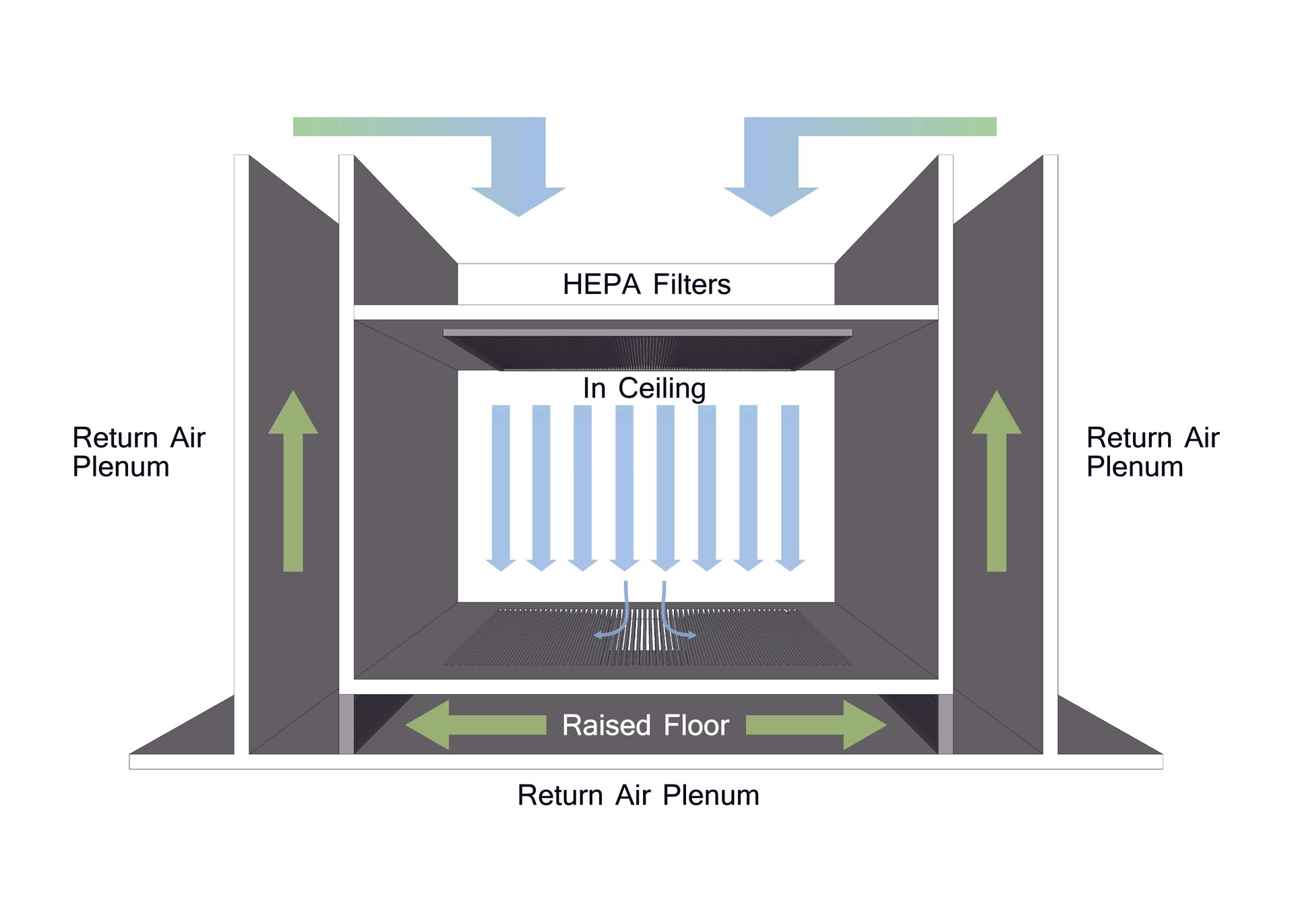
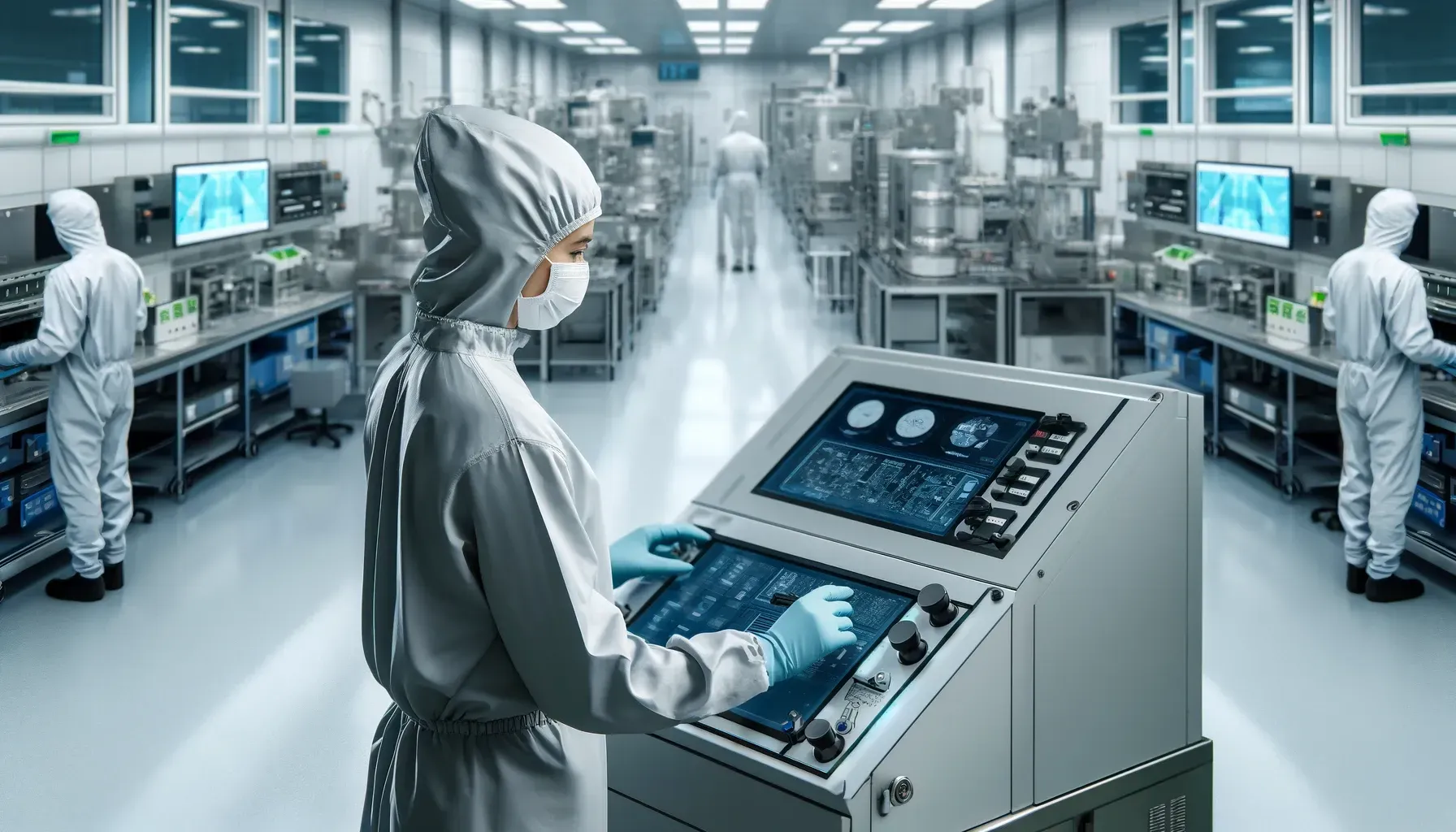
A cleanroom is a controlled environment where the concentration of airborne particles is regulated to specified limits. These particles include dust, microbes, aerosol particles, and chemical vapors. Cleanrooms are used extensively in semiconductor manufacturing, biotechnology, precision engineering, and pharmaceuticals, where particle contamination could lead to product or process failure.
Characteristics of Cleanrooms
Particle Control: The primary function of a cleanroom is to limit the number of particulate contaminants in the air. This is achieved through sophisticated air filtration systems, including HEPA (High-Efficiency Particulate Air) or ULPA (Ultra Low Particulate Air) filters that capture particles as small as 0.1 to 0.3 microns.
Environmental Control: Besides controlling particles, cleanrooms also regulate temperature, humidity, and air pressure to optimize conditions for sensitive processes or products.
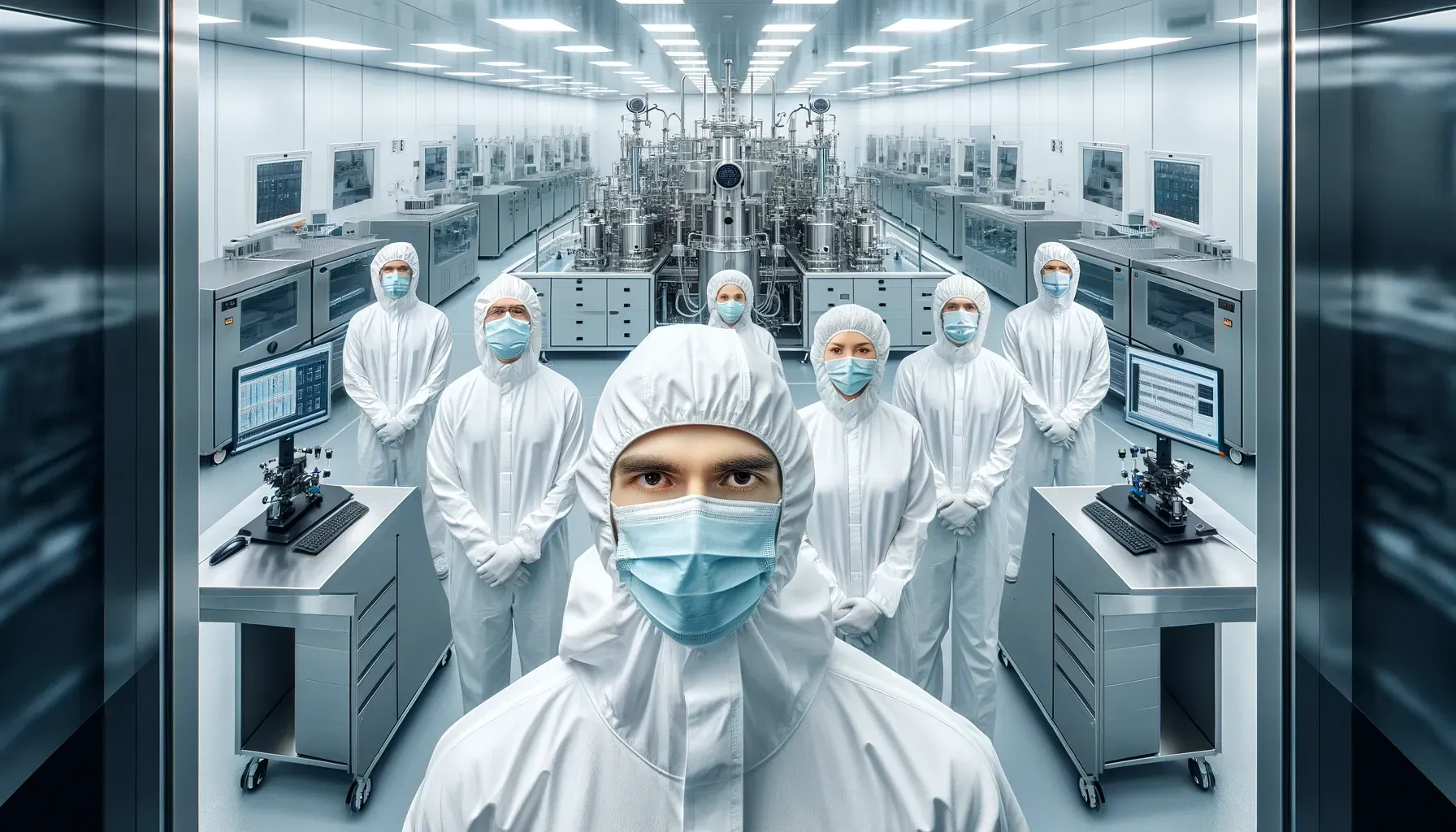
Construction: Walls, floors, and ceilings are made with non-porous materials to minimize the generation of contaminants and facilitate easy cleaning. Entry and exit are typically through airlocks, and personnel must wear specialized clothing to reduce contamination.
Standards: Cleanrooms are classified according to the cleanliness level of the air, defined by the number of particles per cubic meter at a specified particle size. The classification ranges from ISO 1 (the cleanest) to ISO 9, based on standards provided by the International Organization for Standardization (ISO).
Sterile Environments
Sterile environments are designed to be free from all living microorganisms, including bacteria, viruses, fungi, and spores. These environments are crucial in hospitals, especially in operating theatres and in the manufacturing of sterile pharmaceutical products and medical devices.
Characteristics of Sterile Environments
Microbial Control: The primary objective is to eliminate all forms of microbial life, which is accomplished through sterilization methods such as autoclaving, dry heat, chemical disinfectants, or radiation.
Limited Scope: Unlike cleanrooms that control particulate contamination, sterile environments specifically target biological contaminants.
Regulations and Standards: These environments are regulated by stringent health and safety standards, often governed by health authorities and standard bodies such as the Food and Drug Administration (FDA) in the U.S. or the European Medicines Agency (EMA) in Europe.
Applications: Sterile environments are essential in any setting where microbial contamination could result in infection or other serious health complications, such as in surgical procedures, wound care, and the production of injectable medications.
Key Differences Between Cleanrooms and Sterile Environments
1. Purpose and Focus:
Cleanrooms: Focus on controlling particulate contamination to protect sensitive manufacturing processes or scientific research.
Sterile Environments: Focus on eliminating all microbial life to prevent infection and ensure the safety of medical procedures or sterile pharmaceutical products.
2. Methods of Contamination Control:
Cleanrooms: Use advanced air filtration systems to manage particle levels and maintain specific environmental conditions.
Sterile Environments: Use sterilization processes to destroy all microbial life, often employing methods that are not typically necessary in cleanrooms unless specific sterile zones are required.
3. Regulatory Standards:
Cleanrooms: Classified and regulated based on particulate cleanliness levels as per ISO standards.
Sterile Environments: Governed by health and safety regulations that are often stricter and more specifically focused on preventing microbial contamination.
4. Usage and Industry Applications:
Cleanrooms: Widely used in industries where particle contamination can affect product quality or process integrity, such as in electronics or pharmaceuticals manufacturing.
Sterile Environments: Primarily used in medical settings and in the production of items that must be free of all microbial contaminants.
Conclusion
Understanding these distinctions is vital for organizations that rely on such environments to meet quality standards and regulatory requirements, ensuring that their products are both effective and safe for end-users.
Read more: All About Cleanrooms - The ultimate Guide