The Role of Cleanrooms in the Pharmaceutical Industry
Cleanrooms play a pivotal role in the pharmaceutical industry, ensuring the production of safe, effective, and contamination-free pharmaceutical products. From research and development to manufacturing and packaging, cleanrooms provide the controlled environments necessary to meet the stringent regulatory standards and quality controls required in the pharmaceutical sector. This article delves into the significance of cleanrooms in the pharmaceutical industry, highlighting their functions, regulatory standards, and the impact they have on product integrity and patient safety.
Introduction to Cleanrooms in Pharmaceuticals
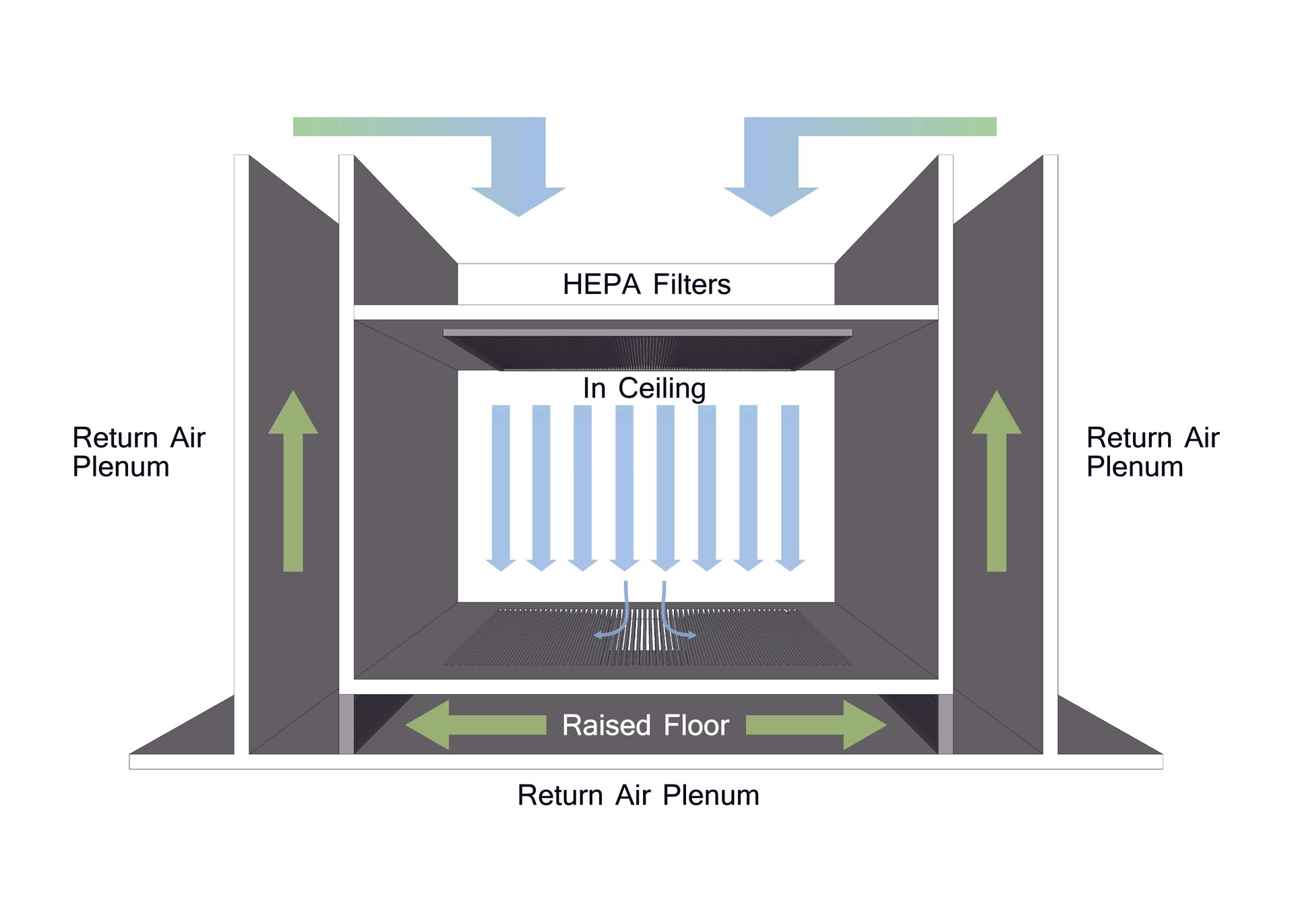
Cleanrooms are designed to control the concentration of airborne particles and microbes to specified limits. In the pharmaceutical industry, this control is critical for preventing contamination of drugs, vaccines, and other medical products. The environment within a cleanroom is regulated not only for particles but also for temperature, humidity, and pressure, all of which can influence the quality of pharmaceutical products.
Regulatory Standards and Classifications
The pharmaceutical industry is governed by stringent regulatory standards that dictate the specific requirements for cleanroom operations. These include:
ISO 14644-1: This international standard classifies cleanrooms based on the number of particles in the air. Pharmaceutical cleanrooms typically operate within ISO Class 5 to 8, depending on the process sensitivity and the type of product being manufactured.
EU GMP Annex 1: The European Union's Good Manufacturing Practice guidelines provide specific regulations for the manufacture of sterile medicinal products. This includes requirements for cleanroom design, operation, and monitoring, with an emphasis on microbial and particulate contamination control.
FDA Guidelines: The U.S. Food and Drug Administration sets forth regulations for the pharmaceutical industry, including standards for cleanroom operations to ensure the safety and efficacy of pharmaceutical products.
Key Functions of Cleanrooms in Pharmaceuticals
1. Contamination Control
The primary function of cleanrooms in the pharmaceutical industry is to prevent the contamination of products during manufacturing. This includes controlling microbial contamination, particulates, and cross-contamination between different products or batches.
2. Environmental Monitoring
Regular monitoring of the cleanroom environment ensures that the specified cleanliness levels are maintained. This includes testing for airborne particles, viable organisms, and other contaminants that could compromise product quality.
3. Product Integrity
Cleanrooms provide a controlled environment that maintains the integrity of pharmaceutical products throughout their lifecycle, from development to packaging. This is crucial for ensuring that products are safe, effective, and free from contamination.
4. Compliance with Regulatory Standards
Operating within the strict guidelines of cleanroom classifications and standards ensures compliance with regulatory bodies. This compliance is critical for pharmaceutical companies to market their products and protect patient safety.
The Impact of Cleanrooms on Pharmaceutical Manufacturing
1. Sterile Product Production
For products that require sterility, such as injectables and certain biologics, cleanrooms are essential. The controlled environment minimizes the risk of microbial contamination, which is critical for products administered directly into the body.
2. Quality Assurance
Cleanrooms play a critical role in quality assurance processes, ensuring that pharmaceutical products are manufactured under conditions that meet or exceed quality standards. This is key to maintaining trust with regulatory agencies and the public.
3. Innovation and Development
Cleanrooms also support the research and development of new pharmaceutical products by providing a controlled environment for experimental and early-stage production processes. This is essential for the innovation of new drugs and therapies.
Challenges and Future Directions
Despite their critical role, operating cleanrooms presents challenges, including high operational costs, energy consumption, and the need for continuous training for personnel. Advances in cleanroom technology, such as automation and improved filtration systems, aim to address these challenges, making cleanrooms more efficient and sustainable.
Conclusion
Cleanrooms are an indispensable part of the pharmaceutical industry, providing the controlled environments necessary for the safe and effective production of pharmaceutical products. By adhering to strict regulatory standards and employing advanced technology, cleanrooms ensure product integrity, support quality assurance, and facilitate the development of new pharmaceuticals. As the industry continues to evolve, so too will the role and capabilities of cleanrooms, underscoring their importance in delivering safe and reliable medications to the public.
Read more: All About Cleanrooms - The ultimate Guide