Cleanroom Cleaning Methods
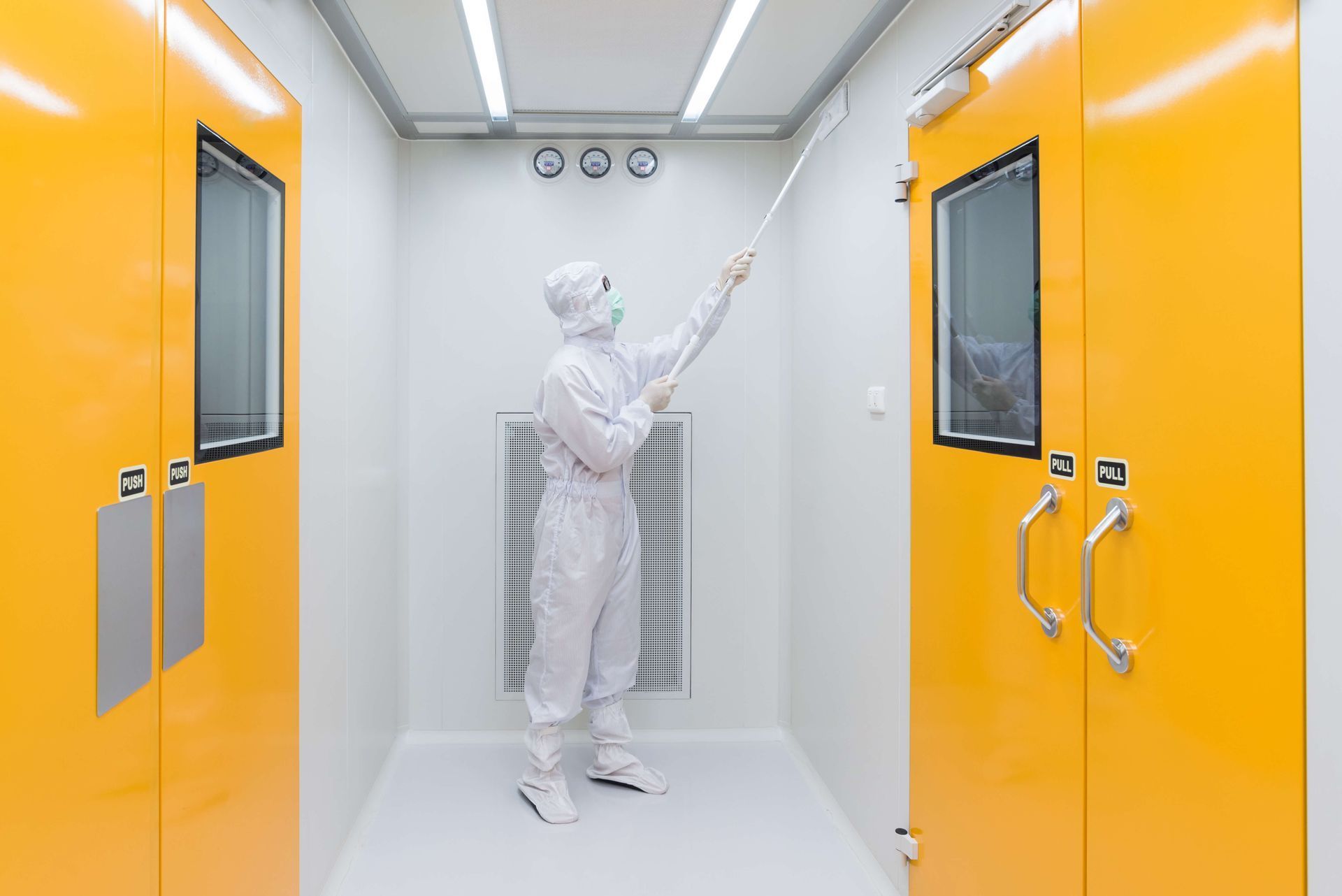
Cleanroom cleaning is a specialized process designed to maintain a controlled environment with a low level of pollutants such as dust, airborne microbes, and chemical vapors. The cleaning methods in a cleanroom are meticulously planned and executed to meet the stringent cleanliness standards required for various cleanroom classes as per ISO 14644 or other relevant standards. Here's a detailed description of the methods:
1. Understanding the Cleanroom Environment
- Before cleaning, it's crucial to understand the cleanroom classification and the specific requirements of the processes that take place within it. This includes knowing the acceptable levels of particulates and microbial contaminants.
2. Selecting the Right Cleaning Agents and Materials
- Use cleaning agents and materials specifically designed for cleanroom use. These should be non-shedding, non-reactive, and effective against the types of contaminants present.
- Commonly used agents include isopropyl alcohol (IPA), hydrogen peroxide, and specialized detergents. The choice depends on the type of contamination and the surface material.
3. Cleaning Personnel and Training
- Personnel must be trained in cleanroom protocols, including proper gowning procedures and cleaning techniques.
- They should understand the importance of contamination control and the correct use of cleaning agents and equipment.
4. Cleaning Protocols and Procedures
- Routine Cleaning: This involves regular cleaning of all surfaces, including floors, walls, ceilings, and workstations.
- Spot Cleaning: Immediate cleaning of spills and contaminants as soon as they occur.
- Deep Cleaning: Periodic thorough cleaning that may include disassembling equipment and fixtures to clean normally inaccessible areas.
5. Cleaning Equipment
- Specialized mops, wipes, and sponges are used that are designed to capture and remove contaminants without shedding fibers or particles.
- Vacuum cleaners, if used, must have HEPA or ULPA filters to prevent exhaust air from contaminating the environment.
6. Cleaning Techniques
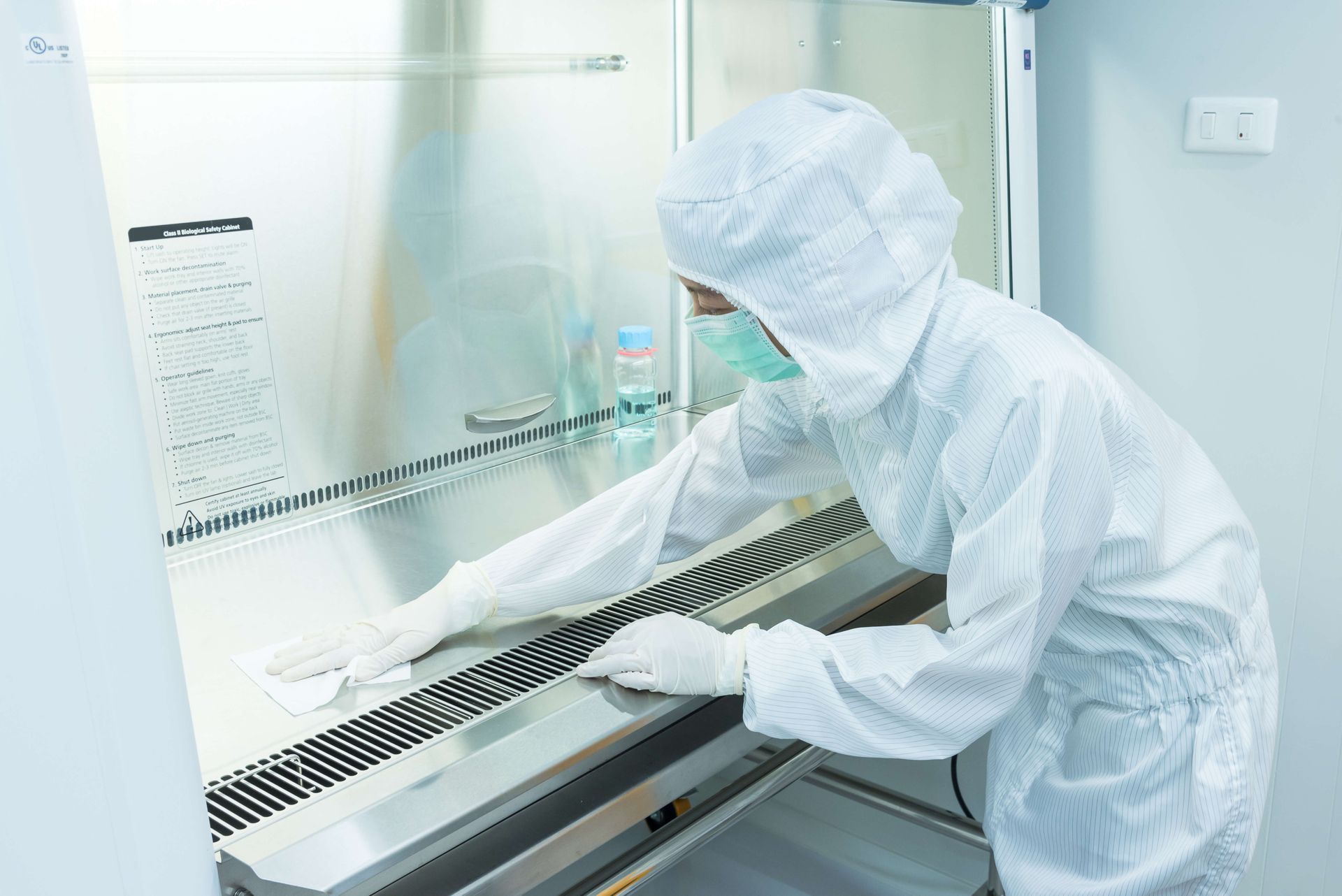
- Wiping Surfaces: Use lint-free wipes. The wiping should be done in a systematic way, usually from the cleanest area to the dirtiest, in overlapping, unidirectional strokes.
- Mopping Floors: Mops should be dipped in cleaning solutions and wrung out to avoid excess liquid. The mopping should be done in straight lines, overlapping each previous line.
- Cleaning Walls and Ceilings: These are cleaned less frequently than floors and work surfaces but are important for maintaining overall cleanliness.
7. Airflow Considerations
- While cleaning, it’s crucial to work with the cleanroom’s airflow, not against it, to avoid recontamination of cleaned areas.
8. Disposal of Cleaning Materials
- Used wipes, mop heads, and other cleaning materials should be disposed of properly in sealed containers to prevent contamination spread.
9. Frequency and Scheduling
- Cleaning frequency depends on the cleanroom classification, the amount of traffic, and the type of operations conducted.
- Cleaning should be scheduled to minimize disruption to cleanroom operations.
10. Documentation and Compliance
- Document all cleaning procedures, schedules, and personnel training. This documentation is crucial for regulatory compliance and quality control.
11. Continuous Monitoring and Improvement
- Regularly assess the effectiveness of cleaning procedures and make improvements as necessary.
Conclusion
Cleanroom cleaning is a critical aspect of maintaining the controlled environment necessary for sensitive industrial, research, and manufacturing processes. It requires specialized equipment, trained personnel, and strict adherence to protocols to ensure that the cleanroom meets the required standards.
Read more: All About Cleanrooms - The ultimate Guide