The Evolution of Cleanroom Technology
Cleanroom technology has become a cornerstone of modern manufacturing and research, providing the controlled environments necessary for the precision production of electronics, pharmaceuticals, and other critical products, as well as for conducting advanced scientific research. The evolution of cleanroom technology is a fascinating journey of innovation, marked by significant milestones that have dramatically improved the quality and safety of numerous products and processes. This article delves into the historical progression, key developments, and future trends in cleanroom technology.
The Origins
The concept of a cleanroom was first realized in the mid-20th century, but its origins can be traced back to the late 19th century with the development of aseptic techniques in surgery. The breakthrough came in 1960 when American physicist Willis Whitfield, working for Sandia National Laboratories, invented the modern cleanroom. Whitfield's design, with its unidirectional airflow to sweep particles out of the room, was a revolutionary improvement over previous methods, which struggled to maintain consistent particle-free environments. This innovation allowed for the mass production of high-precision products, particularly in the burgeoning semiconductor industry.
Key Milestones
1. Introduction of HEPA Filters
High-Efficiency Particulate Air (HEPA) filters, developed during the Second World War, became integral to cleanroom technology by trapping particles as small as 0.3 microns with an efficiency of 99.97%. Their incorporation into cleanroom design marked a significant advancement in controlling particulate contamination.
2. Standardization Efforts
The 1960s and 1970s saw the development of the first standards for cleanroom technology, including Federal Standard 209 in the United States. These standards, which have been revised and updated over the years (now ISO 14644), provide a classification system for cleanrooms based on the number of particles per cubic meter of air, ensuring consistency and reliability in cleanroom performance across industries.
3. Advancements in Material Science
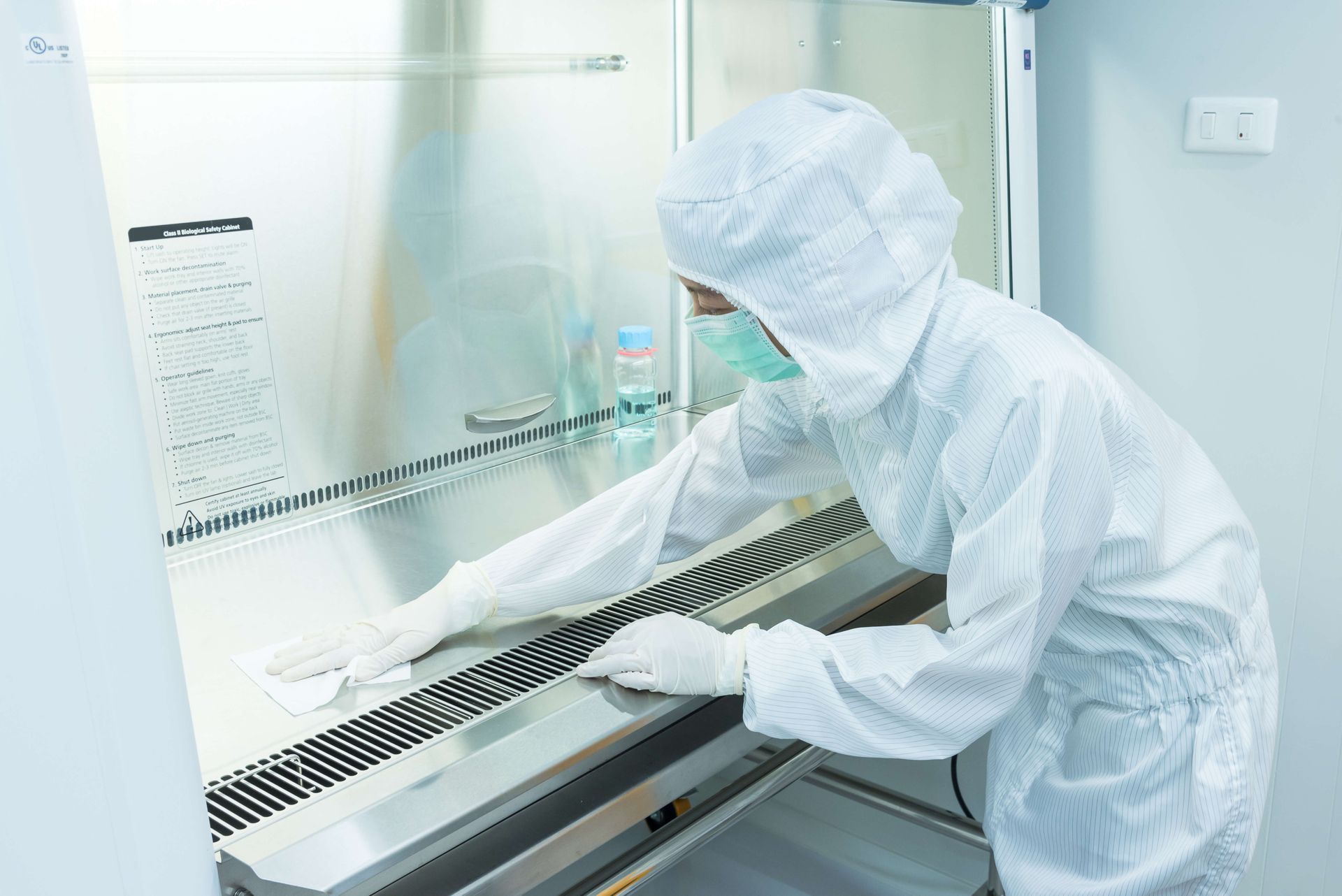
The development of new materials has greatly impacted cleanroom technology. For instance, the introduction of specialized cleanroom garments and materials that shed fewer particles has significantly reduced human-borne contamination.
4. Automation and Robotics
The integration of automation and robotics into cleanrooms has minimized human interaction, further reducing the risk of contamination and improving precision in manufacturing processes.
The Digital Age and Beyond
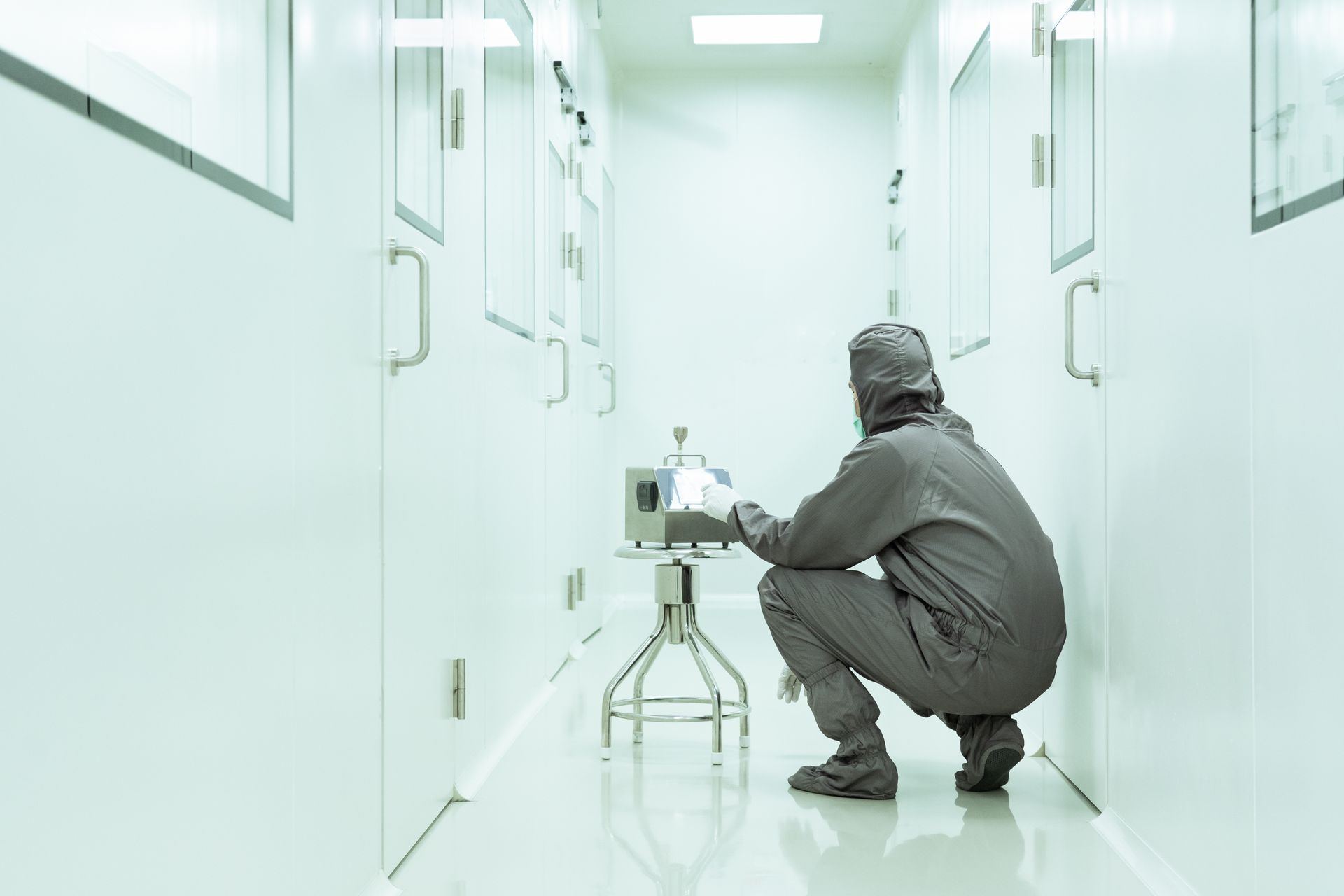
The advent of the digital age has brought about sophisticated monitoring and control systems for cleanrooms. Real-time monitoring of particulate levels, temperature, humidity, and pressure is now possible, allowing for immediate adjustments to maintain optimal conditions. Moreover, the use of Internet of Things (IoT) devices and artificial intelligence (AI) in cleanrooms is paving the way for smart cleanrooms that can predict and respond to environmental changes with minimal human intervention.
Future Trends
As we look to the future, several trends are likely to shape the evolution of cleanroom technology:
1. Nanotechnology
The manipulation of matter on an atomic, molecular, and supramolecular scale requires even stricter control of environmental conditions, pushing the boundaries of cleanroom technology.
2. Sustainability
There is a growing emphasis on making cleanrooms more energy-efficient and reducing their environmental impact. This includes the development of more efficient filtration systems and sustainable building materials.
3. Customization
The rise of bespoke cleanrooms designed for specific applications, from pharmaceutical compounding to aerospace engineering, is becoming more prevalent.
4. Regulatory Evolution
As industries evolve, so too do the regulations governing them. Cleanroom technology will need to adapt to new standards and practices as they emerge.
Conclusion
The evolution of cleanroom technology is a testament to human ingenuity and the relentless pursuit of precision and cleanliness in critical environments. From its humble beginnings to the sophisticated, automated, and interconnected cleanrooms of today, this technology has played a pivotal role in the advancement of numerous fields. As we continue to push the boundaries of science and technology, cleanrooms will undoubtedly continue to evolve, enabling new discoveries and innovations.
Read more: All About Cleanrooms - The ultimate Guide